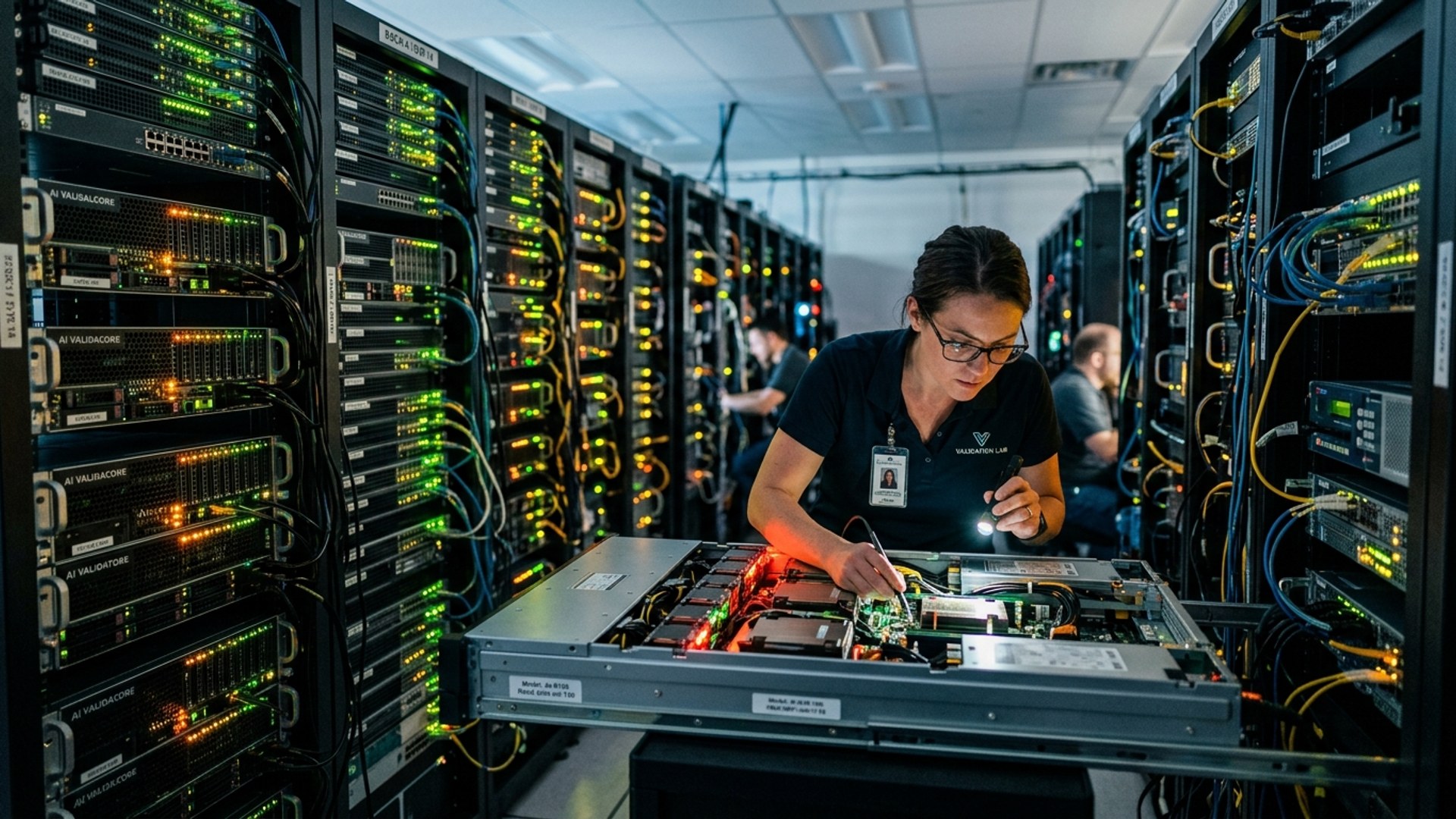
Nvidia revenue doubles to $96.2 billion amid AI boom
Nvidia reported a staggering 106 percent year-over-year revenue increase to $96.2 billion, signaling that the global transition toward agentic artificial intelligence is accelerating rapidly.

During its latest quarterly earnings report, Nvidia announced that its revenue surged by 106 percent year-over-year to reach $96.2 billion, which equates to more than $1 billion in revenue every single day. The milestone solidifies Nvidia's position as a five-trillion-dollar company reporting over 100 percent revenue growth. Chief Executive Officer Jensen Huang declared that the artificial intelligence sector has reached an "inflection point" characterized by accelerating demand and labs scaling up their operations. The massive financial windfall sent AI-related stocks climbing, amid reports of a thirteen-billion-dollar acquisition of Hugging Face. However, the chipmaker also revealed plans to increase its prices starting in 2027, which could drive up hardware costs for developers.
This hardware-driven momentum is mirrored by major software expansions from industry leaders. Salesforce reported $11.3 billion in quarterly revenue, marking an 11 percent year-over-year increase fueled by its Agentforce platform, which sent its stock up by 20 percent. To expand its reach, Salesforce launched Claudeforce, an integration that embeds its services directly into Claude chats alongside 37 pre-built skills. Meanwhile, Anthropic is upgrading its agentic assistant, Claude Cowork, with a built-in browser that opens in a side panel. This feature allows the assistant to autonomously navigate websites and gather information while paid desktop users monitor its actions.
Other players are also pushing agentic capabilities forward. OpenAI's ChatGPT Work introduced password access, allowing the system to log into third-party websites to complete tasks securely. On the hardware side, Apple released a more powerful Mac mini capable of running on-device AI workflows, though it carries a higher price tag. For practitioners, these developments signal a shift from simple text generation to highly autonomous, agentic workflows. Developers and enterprise users can now deploy tools that interact directly with the web and corporate databases, though they must prepare for rising chip and hardware costs in the coming years.
This is our own summary of reporting by Superhuman AI