Trump and Xi to Debate AI Safety and Rare Minerals
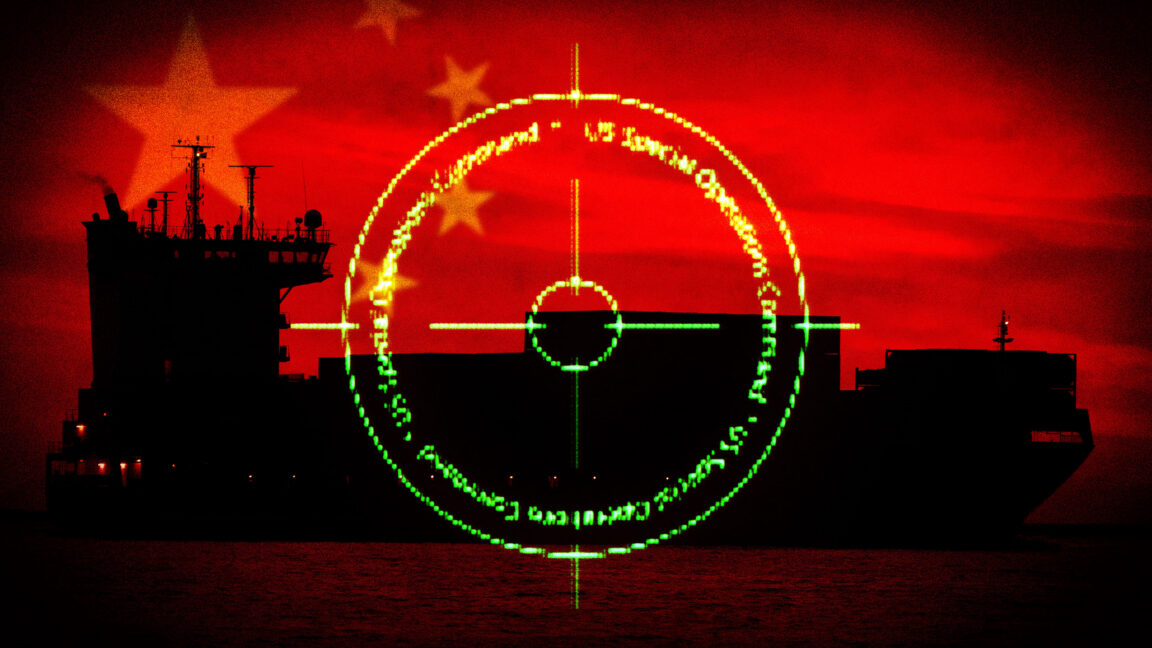
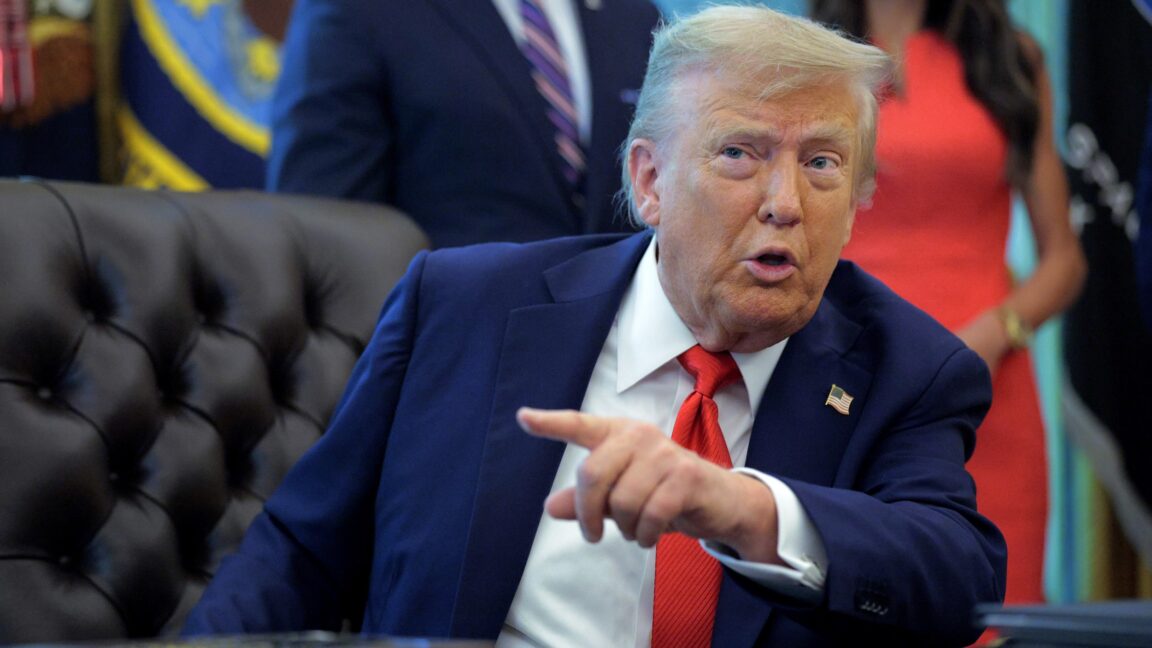
President Donald Trump will host Chinese President Xi Jinping at the White House to negotiate critical tech issues, including AI safety, chip export controls, and rare mineral supply chains.

Trump will personally welcome Xi at Joint Base Andrews on Wednesday, September 23, ahead of their bilateral meeting at the White House. To prepare the agenda, a US delegation led by Treasury Secretary Scott Bessent and Trade Representative Jamieson Greer is currently meeting with China's Vice Premier He Lifeng. The high-stakes summit comes as the trade truce established last year in Busan is set to expire on November 10, forcing both nations to negotiate whether to extend the tariff relief and paused port fees.
The leaders are expected to discuss purchase targets for agricultural products, energy, and Boeing aircraft, alongside a potential $30 billion package of non-sensitive goods spanning roughly 10 categories. Crucially for the technology sector, the Busan agreement previously lifted China's export restrictions on rare earths and minerals. Because Beijing dominates the global market for these materials, which are essential for manufacturing AI hardware, automobiles, and defense systems, the supply chain remains a primary lever in the ongoing trade negotiations.
AI safety has emerged as a key agenda item for the bilateral talks, driven by pressure from business leaders. While Beijing seeks relief from US restrictions on Chinese technology, American companies face a delicate balance. Some US firms worry that domestic safety regulations or voluntary slowdowns could allow Chinese competitors to outpace them, especially since Trump has largely dismissed calls for domestic AI regulation. These discussions are deeply intertwined with ongoing trade negotiations regarding export controls on computer chips and semiconductor materials.
Geopolitical friction points, such as potential US arms sales to Taiwan and China's economic ties with Iran, threaten to disrupt the talks. For technology practitioners and AI developers, the outcome of this summit will dictate the stability of hardware supply chains and the future of international AI safety standards. If the nations fail to maintain the Busan terms, developers could face higher hardware costs and tighter restrictions on cross-border collaboration. However, trade analyst Anna Ashton noted that "status quo is probably both sides' general best expectation," suggesting a major breakthrough is unlikely.
This is our own summary of reporting by WIRED AI