Anthropic’s $2 Trillion IPO Exposes Its Unique Board Trust
Anthropic’s planned initial public offering, which could value the startup at $2 trillion, is drawing intense scrutiny to the external trust that holds majority control over its board.
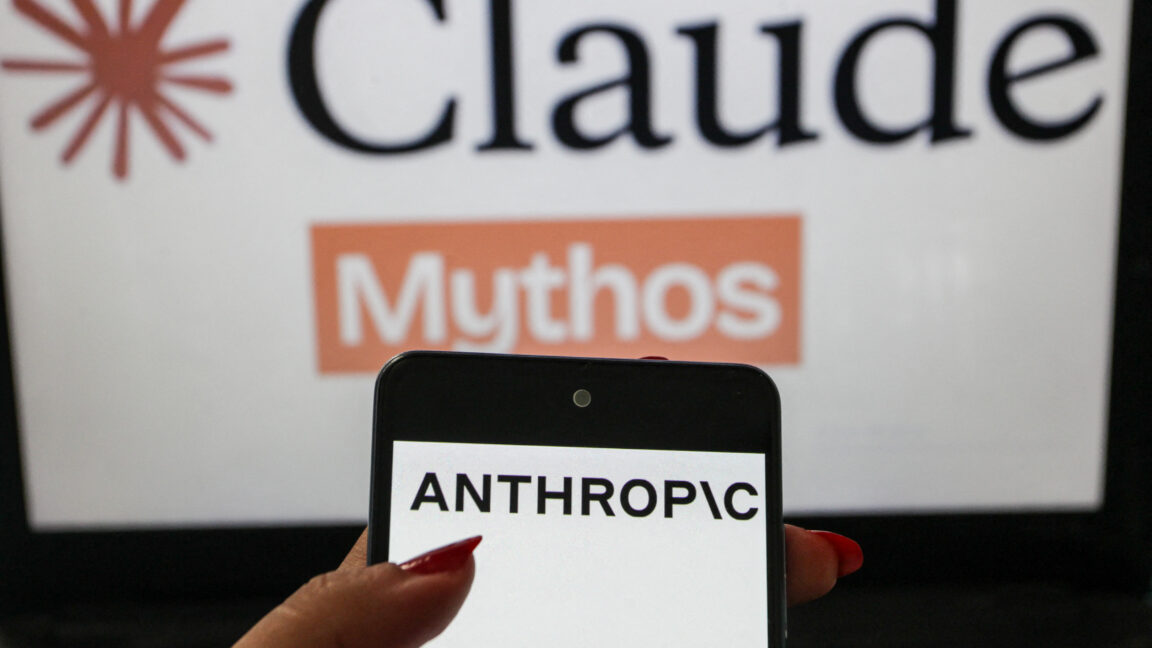
Anthropic is preparing for a blockbuster initial public offering that could value the Claude developer at up to $2 trillion. This transition to public markets is forcing intense scrutiny of the startup's experimental governance structure, specifically its Long-Term Benefit Trust. The trust holds no equity in the San Francisco-based public benefit corporation but possesses the authority to appoint or dismiss the majority of its board. Currently, the trust has selected four of Anthropic's seven directors, including Netflix co-founder Reed Hastings and Novartis chief executive Vas Narasimhan.
The trust currently consists of three out of a maximum of five members. It is chaired by Neil Buddy Shah, chief executive of the Clinton Health Access Initiative, alongside former Federal Reserve chair Ben Bernanke and Richard Fontaine, chief executive of the Center for a New American Security. Former California Supreme Court justice Mariano-Florentino Cuéllar previously served but left to become Anthropic's chief global affairs officer. The trustees meet weekly among themselves and bi-weekly with company leadership. They receive advance notice of major actions, such as new model launches, and have previously weighed in on the Mythos cybersecurity model's limited rollout through the Glasswing Project, as well as disputes with the U.S. government over automated weapons.
For AI practitioners and enterprise clients, this governance model offers a unique blend of safety-first oversight and commercial viability, though it introduces potential friction. Unlike OpenAI's previous governance structure, which led to a chaotic boardroom coup in November 2023, Anthropic's setup includes a "kill switch" allowing shareholders to dismiss trustees with an 85 percent supermajority of voting power. However, corporate governance experts warn that as a lossmaking company enters the public markets, the tension between profit-seeking investors and mission-driven trustees could complicate long-term product roadmaps. Practitioners relying on Anthropic's API must watch how this structure handles future conflicts when commercial pressures and safety mandates inevitably diverge.
This is our own summary of reporting by Ars Technica AI