Apple taps Google Gemini to power delayed Siri AI
Following severe delays to its proprietary Apple Intelligence system, Apple has partnered with Google to power its next-generation Siri AI using Gemini models.
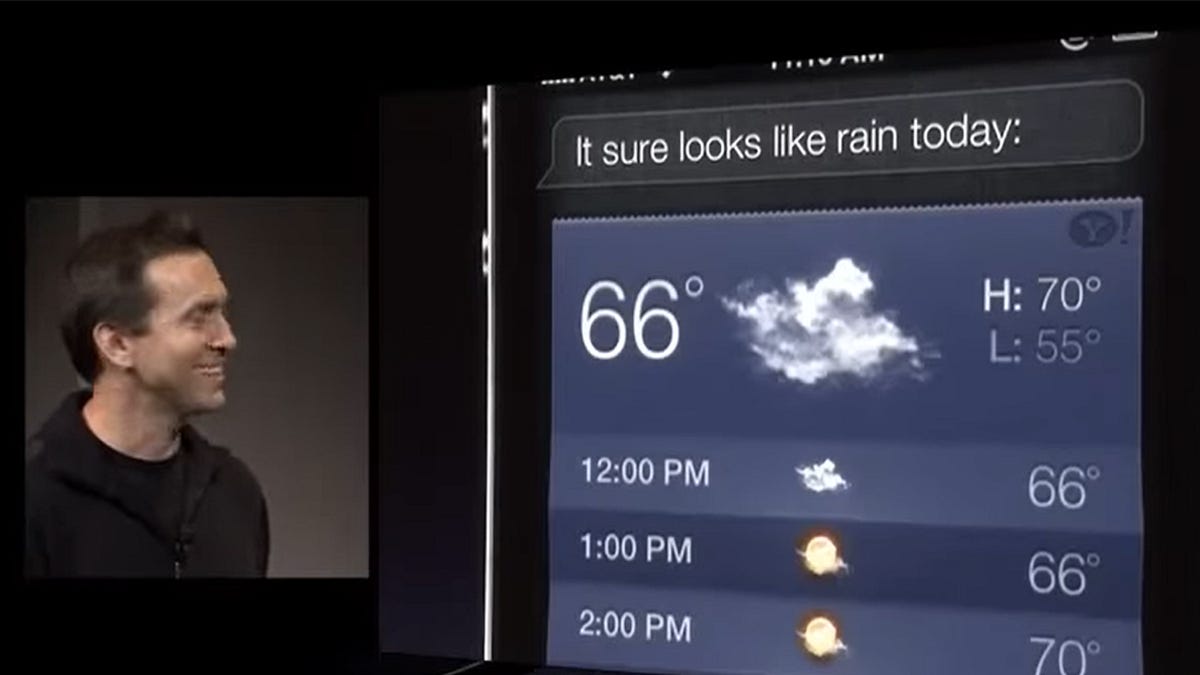
Apple has officially partnered with Google to salvage its virtual assistant strategy, integrating Google's Gemini family of models to power the next generation of Siri AI. Announced in June 2026, this deep collaboration represents a major shift for Apple, which had previously attempted to build its own generative AI infrastructure. The new Gemini-backed models will run both on-device and on servers using Apple's Private Cloud Compute, marking a stark admission that the company's in-house Ajax framework and Apple GPT chatbot were insufficient to compete with rivals like OpenAI's GPT 3.5.
This partnership comes fifteen years after Apple first introduced Siri alongside the iPhone 4S in 2011. At the time, the assistant ran on a dual-core 32-bit Arm Cortex A9 processor with just 512MB of DRAM, forcing Apple to offload voice processing to cloud servers. Despite Siri's origins in DARPA's Personalized Assistant that Learns program, which raised 24 million dollars in funding before Apple acquired the startup, the assistant stagnated. Incremental updates like hands-free activation in 2014, Mac integration in 2016, and Siri shortcuts in 2018 failed to realize the original vision of a truly natural language agent.
The launch of ChatGPT in November 2022 forced Apple to scramble. Although the company announced its own Apple Intelligence suite at WWDC in June 2024 for iOS 18, iPadOS 18, and macOS Sequoia, the project quickly derailed. By March 2025, Apple had to publicly delay its personalized Siri features, admitting that the technology was not ready to ship. This setback ultimately forced the consumer electronics giant to turn to Google's AI ecosystem to remain competitive.
For developers and AI practitioners, Apple's reliance on Gemini means that the iOS ecosystem will now be deeply tied to Google's model architecture. Engineers designing agentic workflows for Apple devices must adapt to a hybrid processing model that balances on-device execution with Private Cloud Compute. While this collaboration provides immediate access to state-of-the-art generative capabilities, it also signals that Apple's proprietary stack is no longer the sole gatekeeper of its on-device intelligence.
This is our own summary of reporting by The Chip Letter