China Captures 96% of Dexterous Humanoid Hand Market
A new report reveals Chinese manufacturers shipped 96% of high-dexterity robotic hands in early 2026, highlighting a massive supply chain advantage as Western rivals begin to scale.
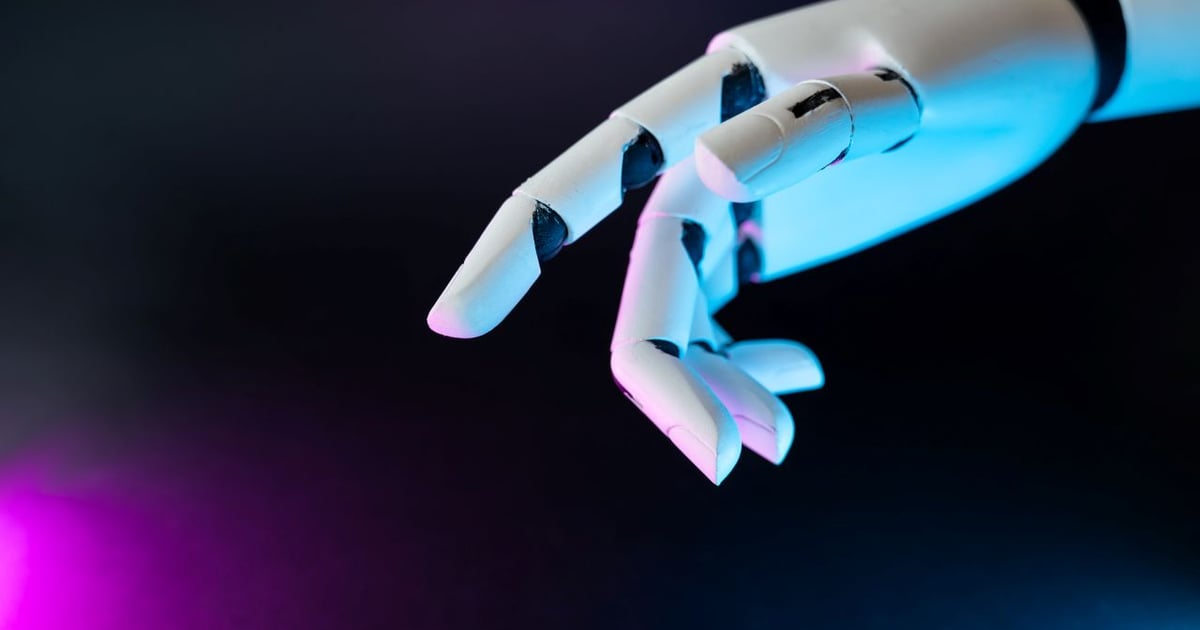
According to a report by Smart Analytics Global (SAG), Chinese manufacturers shipped 96% of dexterous robotic hands featuring six or more active degrees of freedom (DOF) during the first half of 2026. While Western companies held a mere 4% share of this market, their footprint has quadrupled since 2025, largely propelled by Figure AI. This stark divide highlights contrasting strategies: Chinese suppliers are rapidly commercializing standardized, standalone hands, whereas Western developers prefer proprietary, customized designs to protect their intellectual property.
The dominance of Chinese suppliers is bolstered by a mature domestic ecosystem that provides easy access to essential components like sensors, actuators, motors, and reducers. Ben Armstrong of the National Science Foundation's HAND research group noted that this localized supply chain allows Chinese firms to iterate designs much faster than Western competitors. This rapid development cycle persists despite geopolitical friction, including a United States ban on imports of Chinese robots and components enacted in July 2026.
Interestingly, SAG founder Linda Sui observed that the adoption of hands with six or more active DOF actually declined in the first half of 2026. As humanoid robots transition into practical industrial roles, manufacturers are prioritizing reliability and cost over maximum complexity, since many early factory tasks do not require extreme dexterity. ABI Research analyst George Chowdhury argued that the ultimate competitive differentiator will not be physical hands, but rather the underlying artificial intelligence, such as vision-language-action (VLA) models and world models.
For robotics practitioners and hardware engineers, this market split presents a critical choice. Utilizing off-the-shelf Chinese components offers a faster, cheaper route to prototyping and deployment, but risks supply chain disruption due to trade barriers. Conversely, investing in bespoke, in-house hand designs preserves proprietary technology and allows for tighter integration of force feedback and tactile sensing, which experts believe will be vital as humanoid robots eventually transition from factories into domestic environments.
This is our own summary of reporting by AI Business