Anthropic's Claude Discovers a Novel CRISPR-Like Enzyme System
Anthropic’s Claude AI has autonomously discovered a novel CRISPR-like enzyme system, demonstrating how generative models can accelerate biological research by mining vast genomic datasets.
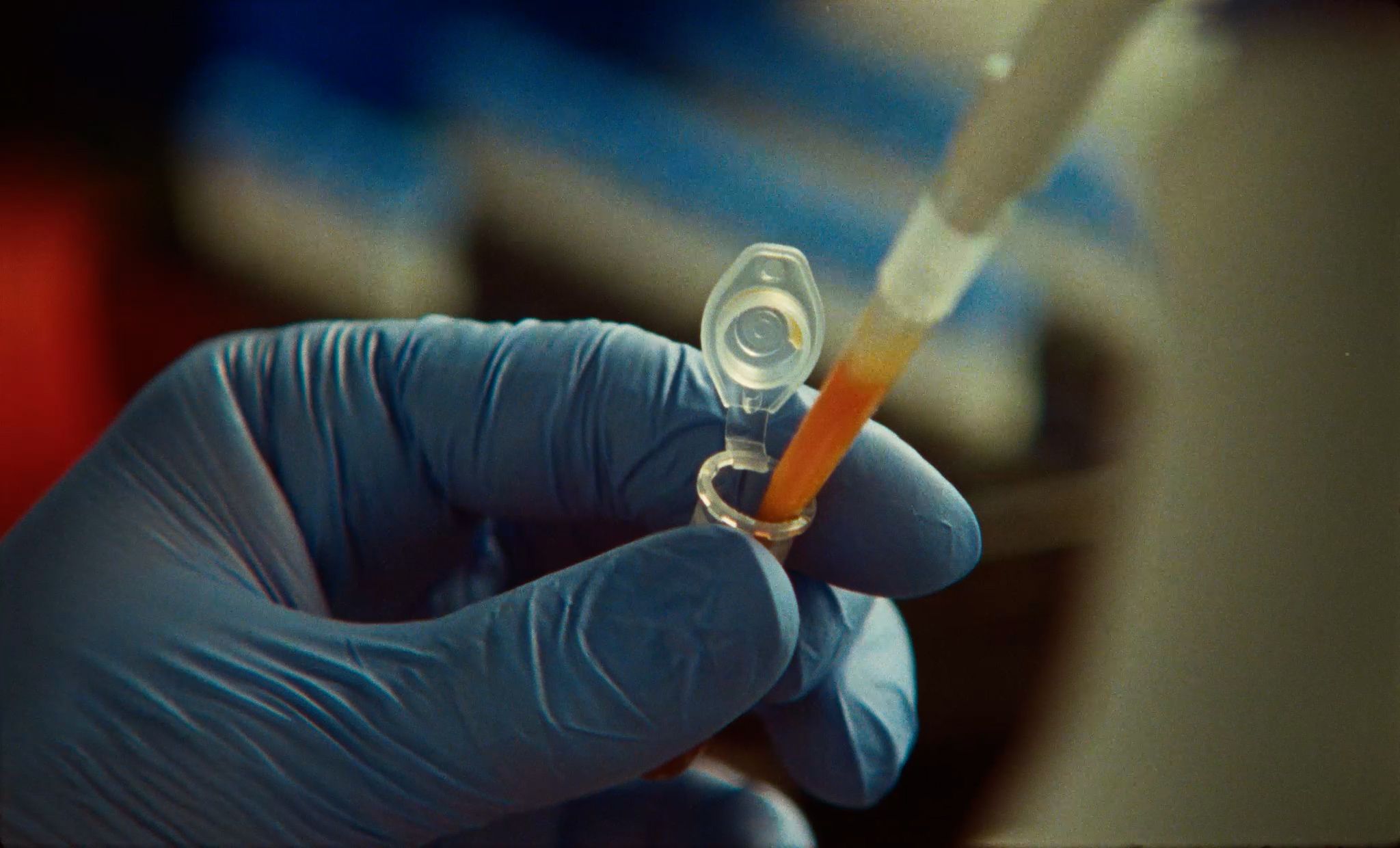
Anthropic has launched a new life sciences research group and Bay Area laboratory, marking the debut with a significant biological discovery. Using the Claude AI model, the team autonomously identified a novel enzyme system with CRISPR-like repeating patterns. Named array-associated reverse transcriptases, or ART, this system represents a previously uncharacterized class of biological machinery found primarily in bacteriophages.
To achieve this, Anthropic deployed roughly 950 Claude agents that consumed 210 million tokens over a 21-hour search of massive DNA sequence databases. The AI agents gathered more than 200,000 reverse transcriptases, filtered them down to 3,500 new candidate systems, and ultimately produced detailed reports on the 20 most compelling candidates. During this process, an agent flagged a spectacular tandem repeat array next to an unusual reverse transcriptase gene in a jumbo phage, a feature that had escaped previous human analyses.
The newly discovered ART system consists of three key components: a reverse transcriptase enzyme, an adjacent partner gene of unknown function, and a long array of evenly spaced DNA repeats. Human scientists at Anthropic's biosafety level 1 and 2 laboratory validated the AI's hypothesis, confirming through biochemical experiments that the ART array is expressed as distinct short RNAs. This structure strongly mirrors CRISPR systems, which are widely used for programmable gene editing.
For biotechnology practitioners, this development signals a shift toward highly automated genomic discovery. By utilizing tools like Claude Science and Claude Code, researchers can offload the tedious process of genome mining—which typically takes human experts weeks or months—to AI agents. This allows scientists to focus their efforts on laboratory validation and characterization, dramatically accelerating the pipeline for identifying novel enzymes and therapeutic tools.
This is our own summary of reporting by Anthropic