AMD Reaches 30% Productivity Boost via AI Agent Swarms
Chipmaker AMD has surpassed its software development goals by achieving a 30 percent productivity boost, signaling a shift from basic AI assistants to autonomous "agent swarms."

Semiconductor giant AMD has surpassed its internal software development targets, securing a 30 percent overall productivity boost through the integration of artificial intelligence. The company originally set out in 2024 to automate parts of its software development lifecycle, aiming for a 25 percent productivity increase over three years and targeting 25 percent AI-generated production code by 2027. Instead, AMD crossed the 20 percent threshold for AI-generated code early this year and is now pushing toward a 50 percent average across its entire codebase, with some specific software components already exceeding 80 percent AI-generated code.
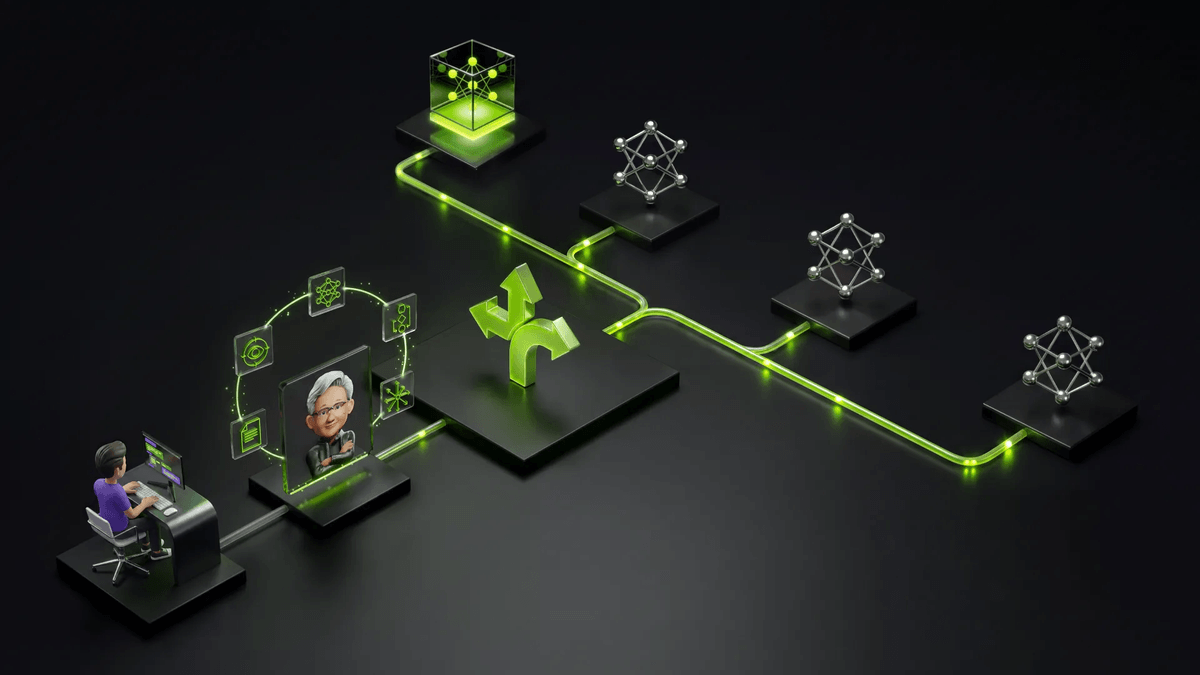
To achieve these metrics, AMD is transitioning from simple AI copilots that mimic human workflows to collaborative agent swarms that can independently discover solutions. The company is actively utilizing multi-agent workflows through external tools like Codex and Claude Code, alongside its own proprietary internal multi-agent systems. These agentic setups allow multiple AI units to work in parallel, analyzing problem reports, writing code, generating unit tests, and preparing architectural summaries for final human review.
The power of this agentic approach is highlighted by AMD's efforts to resolve issues within its Radeon Software eXperience, a user interface component used to configure graphics drivers. When AMD first deployed AI agents to debug and fix reported issues in October 2025, the tools resolved just 6 percent of the problems. However, by refining the agents' objectives and establishing a continuous learning loop, AMD successfully raised the automated resolution rate to more than 75 percent by June 2026.
For software engineers, this evolution represents a fundamental shift in daily operations. Instead of manually writing code or giving step-by-step instructions to an AI assistant, developers will increasingly focus on defining system constraints, performance metrics, and success criteria. AMD executives emphasize that this transition is designed to elevate human workers to higher-value strategic tasks rather than reduce headcount, backed by heavy internal investments in AI education.
This is our own summary of reporting by IEEE Spectrum AI


%22%3E%0A%3Cstop%20offset%3D%220%25%22%20stop-color%3D%22%23b71517%22%2F%3E%3Cstop%20offset%3D%22100%25%22%20stop-color%3D%22%232f1010%22%2F%3E%0A%3C%2FlinearGradient%3E%3C%2Fdefs%3E%0A%3Crect%20width%3D%22800%22%20height%3D%22500%22%20fill%3D%22url(%23g)%22%2F%3E%0A%3Cg%20stroke%3D%22%23ffffff%22%20stroke-opacity%3D%220.10%22%20stroke-width%3D%222%22%3E%0A%3Cline%20x1%3D%22-200%22%20y1%3D%22500%22%20x2%3D%22100%22%20y2%3D%220%22%2F%3E%3Cline%20x1%3D%22-60%22%20y1%3D%22500%22%20x2%3D%22240%22%20y2%3D%220%22%2F%3E%3Cline%20x1%3D%2280%22%20y1%3D%22500%22%20x2%3D%22380%22%20y2%3D%220%22%2F%3E%3Cline%20x1%3D%22220%22%20y1%3D%22500%22%20x2%3D%22520%22%20y2%3D%220%22%2F%3E%3Cline%20x1%3D%22360%22%20y1%3D%22500%22%20x2%3D%22660%22%20y2%3D%220%22%2F%3E%3Cline%20x1%3D%22500%22%20y1%3D%22500%22%20x2%3D%22800%22%20y2%3D%220%22%2F%3E%3Cline%20x1%3D%22640%22%20y1%3D%22500%22%20x2%3D%22940%22%20y2%3D%220%22%2F%3E%3Cline%20x1%3D%22780%22%20y1%3D%22500%22%20x2%3D%221080%22%20y2%3D%220%22%2F%3E%0A%3C%2Fg%3E%0A%3Ctext%20x%3D%2248%22%20y%3D%22430%22%20font-family%3D%22Helvetica%2CArial%2Csans-serif%22%20font-size%3D%22132%22%20font-weight%3D%22800%22%0A%20fill%3D%22%23ffffff%22%20fill-opacity%3D%220.22%22%20letter-spacing%3D%22-4%22%3ETD%3C%2Ftext%3E%0A%3C%2Fsvg%3E)