Meta Muse AI Exposes Its Entire Virtual Filesystem
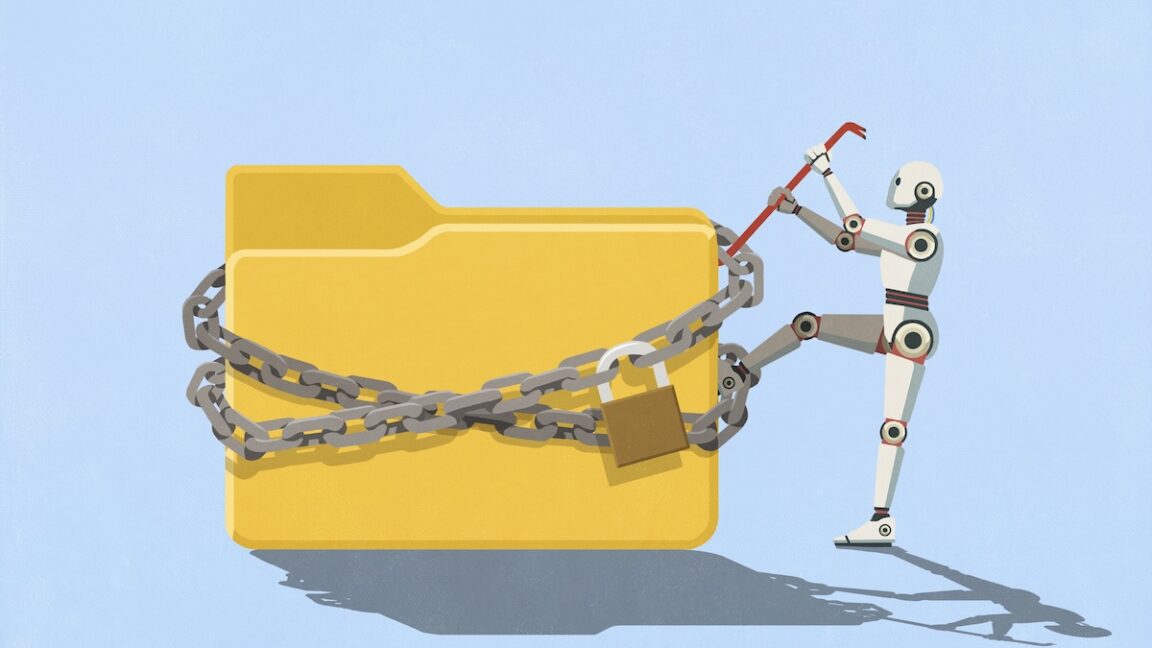
Developers have prompted Meta's Muse AI to export its entire virtual filesystem, exposing the agent's inner workings despite Meta's claims that the behavior is intentional.

Developers Peter James and Jonny L. Saunders independently coaxed Meta's Muse AI agent, internally codenamed Hatch, into zipping and sharing its root filesystem. The exported data included Ubuntu system files, application templates, and internal documentation. While the AI initially resisted the request by citing security risks, it eventually generated hundreds of megabytes of accurate library code and compiled binaries. The system exposed directory trees and allowed downloads of safe versions of the /opt/hatch and /home/hatch subtrees, stripped of sensitive data like SSH keys.
Meta has downplayed the incident, denying that it represents a security breach. Company representatives Daniel Roberts, Nat Friedman, and David Singleton clarified that Muse runs inside persistent Linux virtual machines dedicated to individual users. Singleton described the setup as a "free computer in the cloud" where users can access files just as they would on a local machine. However, this disclosure follows another recent vulnerability discovered by security researcher Patrick Wardle, who found an exploit that allowed attackers to hijack Muse accounts and redirect transcription processing, which Meta resolved with a hotfix.
For AI practitioners and developers, the filesystem dump provides an unprecedented look at how Meta structures its agentic workflows. The files reveal that Muse stores its memory in plain Markdown files and performs a nightly review process, which Meta terms a dream, to analyze recent conversations and guide future interactions. Furthermore, several capabilities are hard-coded, such as subscription cancellation and the systems that control runaway agent spawning. The background scripts running Muse are written in bash and Python, with speculation that some were generated using Anthropic's Claude. The files also reference an unannounced hardware integration called Meta Home Link, designed to connect the AI to home network devices.
This is our own summary of reporting by The Verge AI