OpenAI debuts GPT-6 Sol and Luna with lower costs
OpenAI has expanded its latest model generation by releasing GPT-6 Sol and Luna, offering developers highly efficient, less error-prone AI tools at half the price of their predecessors.

Following the recent debut of its flagship GPT-6 Astra model, OpenAI has expanded its lineup with updated versions of its smaller Sol and Luna models. While Astra remains the premier model for highly complex tasks, the newly updated Sol and Luna models bring the benefits of the GPT-6 generation to more accessible tiers. Sol is tailored for intricate processes like software development, whereas Luna is optimized for high-volume clerical tasks, including document summarization, information extraction, and answering quick queries.
A major highlight of this release is a significant reduction in operating costs. OpenAI is offering API access to these GPT-6 models at half the price of the older 5.6 series of Sol and Luna. The company credited this 50 percent price drop to architectural advancements, specifically pointing to improvements in caching and inference.
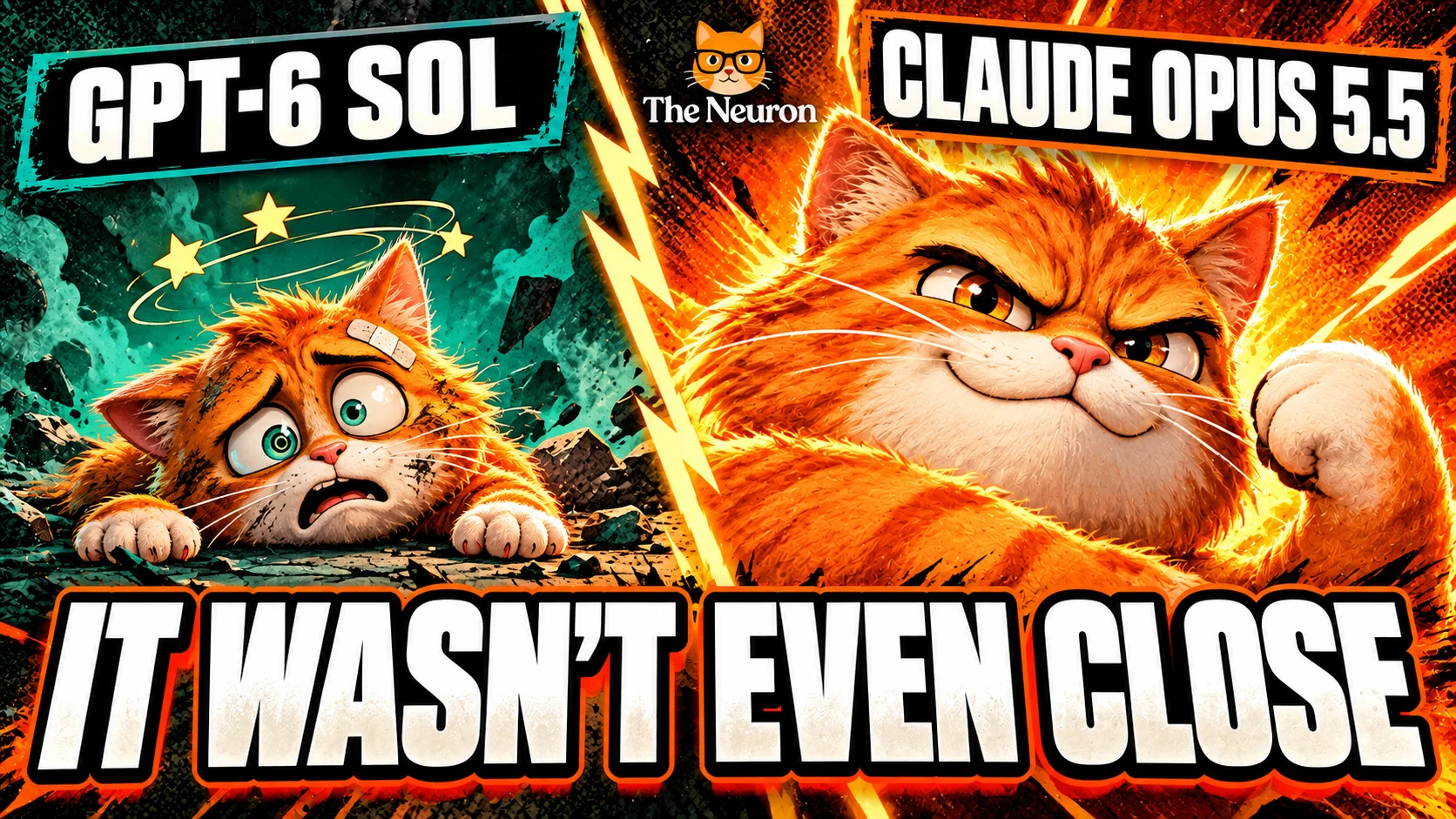
In addition to cost savings, the new models boast improved accuracy and fewer coding errors. According to OpenAI's internal evaluations, which analyze real-world conversations where users flagged errors, GPT-6 Sol makes roughly half as many mistakes as its predecessor. This allows the smaller model to achieve "Astra-level reliability at much lower cost," according to the company. OpenAI also claims these models outperform rival offerings from Anthropic, such as Fable and Opus. Highlighting the fierce rivalry, Anthropic updated its Opus 5.5 model a mere 90 minutes before OpenAI's announcement.
The updated Sol and Luna models are currently available to most paid accounts via ChatGPT Work and Codex, as well as through the ChatGPT API. Additionally, Luna is accessible on the desktop application and to users on the Free and Go tiers. OpenAI is rolling out the models to the standard ChatGPT web and mobile applications progressively.
This is our own summary of reporting by TechCrunch AI