Probably Genetic Wins $10M ARPA-H Rare Disease AI Contract
Probably Genetic has secured up to $10 million from ARPA-H to scale its AI platform, aiming to shorten the grueling six-year average diagnostic search for millions of rare-disease patients.
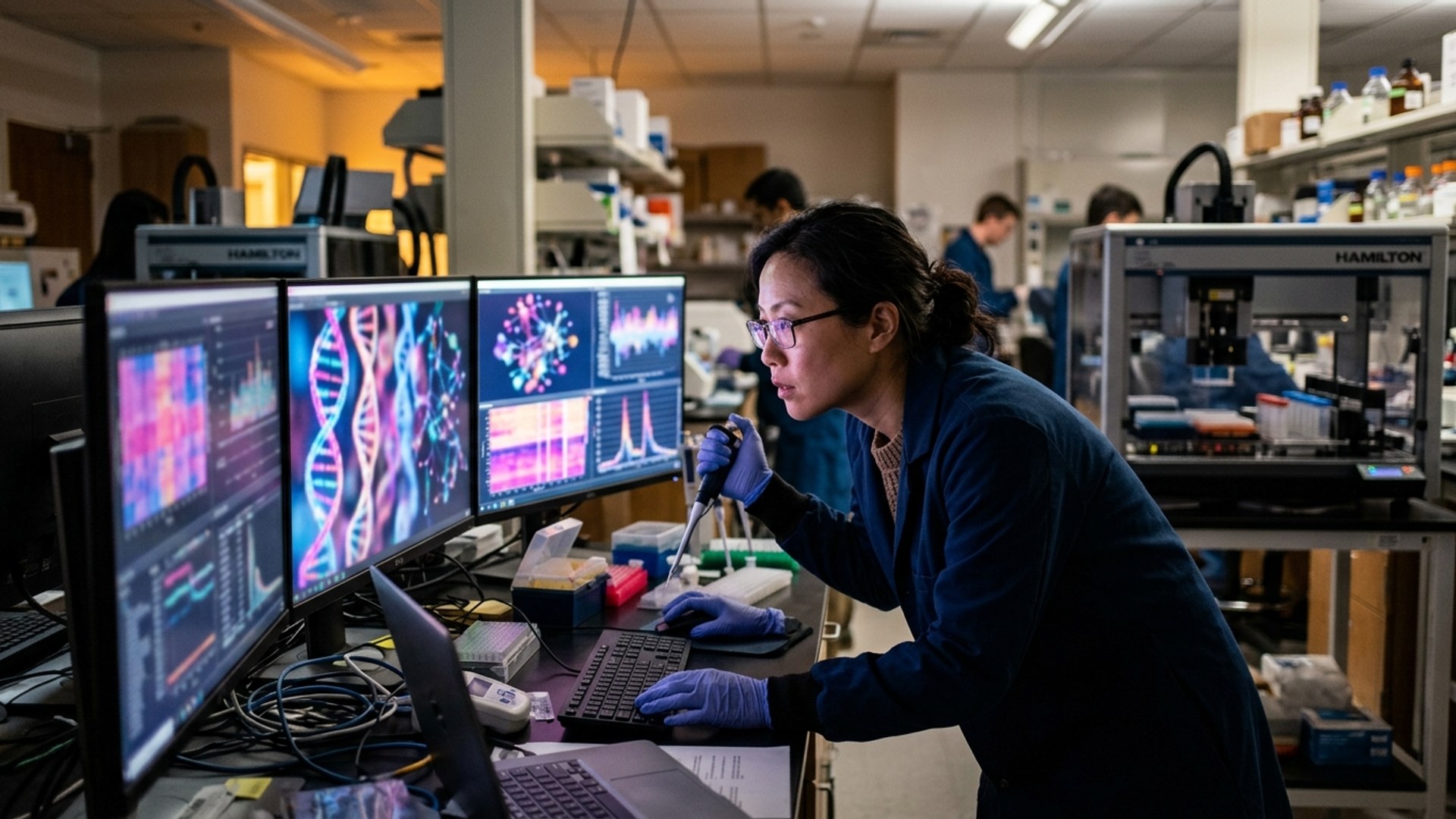
On August 31, 2026, San Francisco-based startup Probably Genetic announced it received up to $10 million from the Advanced Research Projects Agency for Health (ARPA-H). The funding, awarded under the agency's Rare Disease AI/ML for Precision Integrated Diagnostics (RAPID) program, will help the company expand its direct-to-patient data platform. The RAPID initiative, launched in December 2024, aims to build AI-based detection models for rare and ultra-rare conditions, addressing a global challenge that affects over 350 million people across more than 10,000 rare diseases.
Under the contract, Probably Genetic will scale its platform across hundreds of rare conditions by recruiting already-diagnosed patients. The company will aggregate clinical records, patient-reported information, and biological data, including DNA, into a single, de-identified dataset. To date, the company has gathered data from more than 120,000 patients, collaborating with over 50 patient advocacy groups and more than 15 biopharmaceutical companies. Its platform converts self-reported symptoms, electronic health records, and patient-submitted photos or videos into structured deep phenotypic data, while also offering at-home genetic testing.
For clinical practitioners and drug developers, this massive dataset will serve as a critical training ground for diagnostic algorithms. The resulting multi-omic phenotype models will link real-world evidence directly to disease biology. This allows researchers to identify novel drug targets, stratify patient cohorts more effectively, and design more precise clinical trials. By building cost-effective, remote systems alongside provider-facing tools, the program aims to integrate advanced diagnostics directly into existing clinical workflows, helping doctors bypass the fragmented, low-quality electronic health records that currently hinder rare disease identification.
This is our own summary of reporting by Unite.AI