Meta and Hardware Designers Defend RISC-V Utility
Despite recent technical criticisms of the RISC-V architecture, prominent hardware developers and Meta are defending the open-standard ISA for its customizability and lack of licensing hurdles.
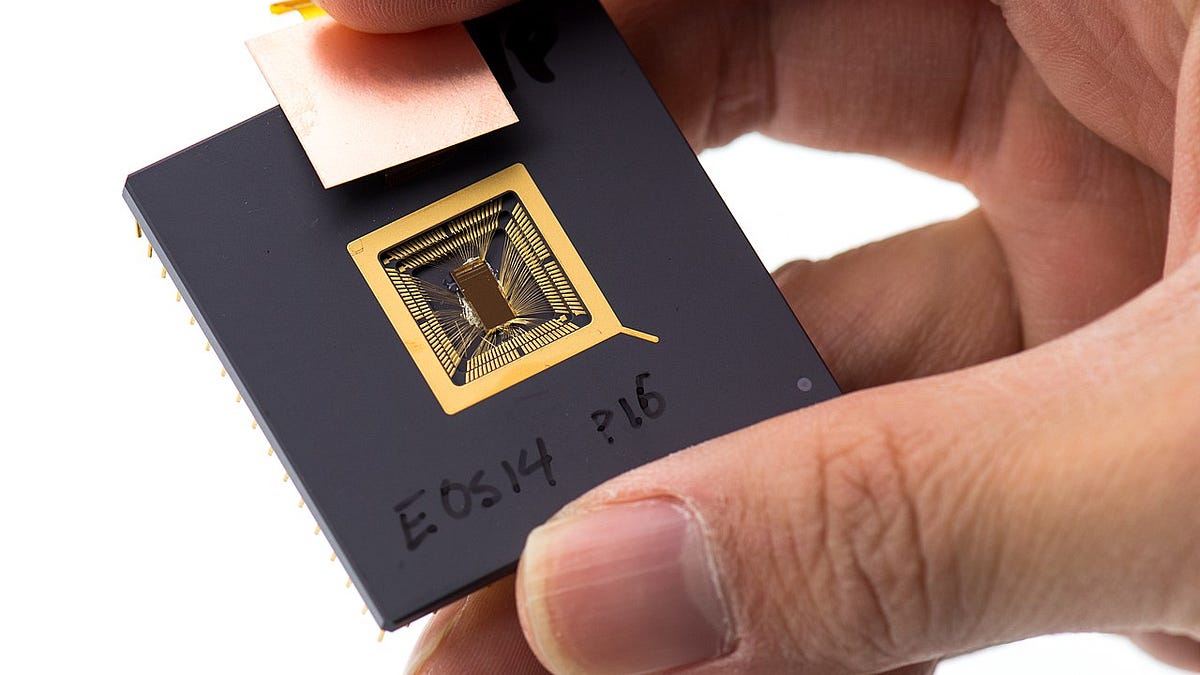
A recent technical critique of the RISC-V architecture by developer Dmitri Grinberg has sparked widespread debate over the instruction set architecture's viability. Grinberg targeted the design of RISC-V's compressed instructions, pointing out that its 16-bit instructions limit byte-store offsets to a range of zero to three. While critics argue these limitations make the architecture poorly suited for high-performance interactive computing, industry practitioners are pushing back, highlighting the practical advantages of the open-source standard.
Defenders of the architecture emphasize its licensing freedom and adaptability. Luke Wren, who designed the open-source Hazard3 RISC-V core featured in the Raspberry Pi Pico 2, noted that the instruction set architecture allows developers to build without legal interference. Similarly, engineers working on Meta's MTIA AI accelerator chips have credited the success of their hardware to the highly adaptable and extensible nature of RISC-V. For these practitioners, the ability to tailor the instruction set outweighs any inherent architectural flaws.
The debate also highlights the division between general-purpose desktop computing and specialized silicon. While licensing established Arm designs remains the preferred route for standard consumer devices, RISC-V has enabled custom silicon startups like Tenstorrent, Rivos, and SiFive to develop high-performance designs without seeking permission from Arm. As the industry moves through 2026, the intense focus on machine learning accelerators means companies are increasingly prioritizing customizability over standard desktop performance.
For hardware engineers and system architects, the ongoing evolution of RISC-V proves that licensing freedom and modularity are often more critical than perfect initial designs. The availability of diverse extensions allows developers to assemble curated embedded architectures with competitive code density. Ultimately, the success of RISC-V in specialized AI hardware demonstrates that an open-standard ISA can thrive by allowing companies to focus their engineering talent on proprietary acceleration rather than reinventing basic processing cores.
This is our own summary of reporting by The Chip Letter