Ukraine Drone Attacks Knock Out Yandex AI Supercomputers
Ukrainian drone strikes on three Yandex data centers damaged key supercomputers training YandexGPT, exposing the vulnerability of Russia's centralized AI and digital infrastructure.

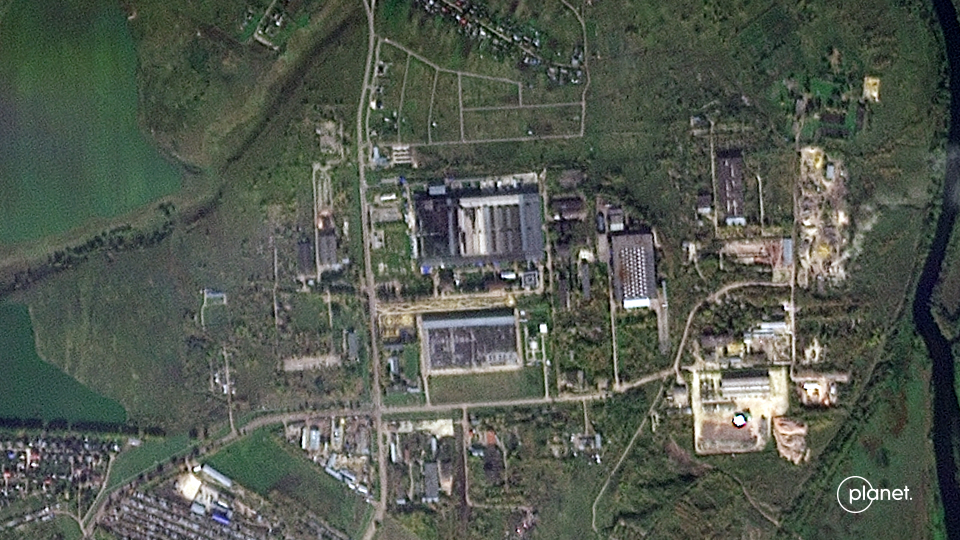
A series of Ukrainian drone strikes between October 8 and October 11 targeted three of Yandex's largest data centers across Russia. The first attack on October 8 damaged a facility in Sasovo, which houses the Chervonenkis and Lyapunov supercomputers used to train the YandexGPT artificial intelligence model. Driven by Nvidia A100 GPU chips, Chervonenkis produces 29.42 petaflops of computing performance and ranks 101st on the Top 500 supercomputer list, while Lyapunov delivers 20.03 petaflops and ranks 161st.
Subsequent strikes hit a 63-megawatt Yandex data center in the Kaluga region on October 9 and forced operations to halt at a Vladimir facility on October 11. The Vladimir center houses Yandex's third supercomputer, Galushkin, which yields 20.64 petaflops and ranks 134th globally. Beyond targeting hardware for YandexGPT, the combined strikes triggered widespread outages across Russian digital services, including payment networks, e-commerce, banking, and Yandex's search engine, which holds roughly 70 percent of the domestic market.
The strikes also impacted Yandex's cloud computing infrastructure, disrupting enterprise customers such as major fast-food outlets, grocery chains, and household appliance retailers. An IT expert cited by the Russian news outlet Kommersant estimated that Yandex could take up to six months to replace damaged hardware. Unlike Ukraine—which migrated more than 15 petabytes of government and corporate data to Amazon Web Services across Europe—Russia faces strict legislative hurdles under its 2019 "Sovereign Internet Law," severely constraining its ability to deploy overseas backup systems.
For AI researchers and enterprise engineers, the disruptions highlight the fragility of hyper-centralized computing environments. Concentrating key training workloads across just three primary facilities leaves flagship models like YandexGPT exceptionally vulnerable to physical hardware loss, especially amid global semiconductor supply restrictions. The incident demonstrates that physical infrastructure resilience and decentralized cloud redundancy are now essential considerations for long-term AI model training and deployment.
This is our own summary of reporting by Ars Technica AI