Artcraft uses Claude to clone Adobe Creative Suite
Developer Brandon Thomas has used Anthropic's Claude Opus 5.5 to build seven open-source clones of Adobe's creative apps, aiming to disrupt the industry with free alternatives.
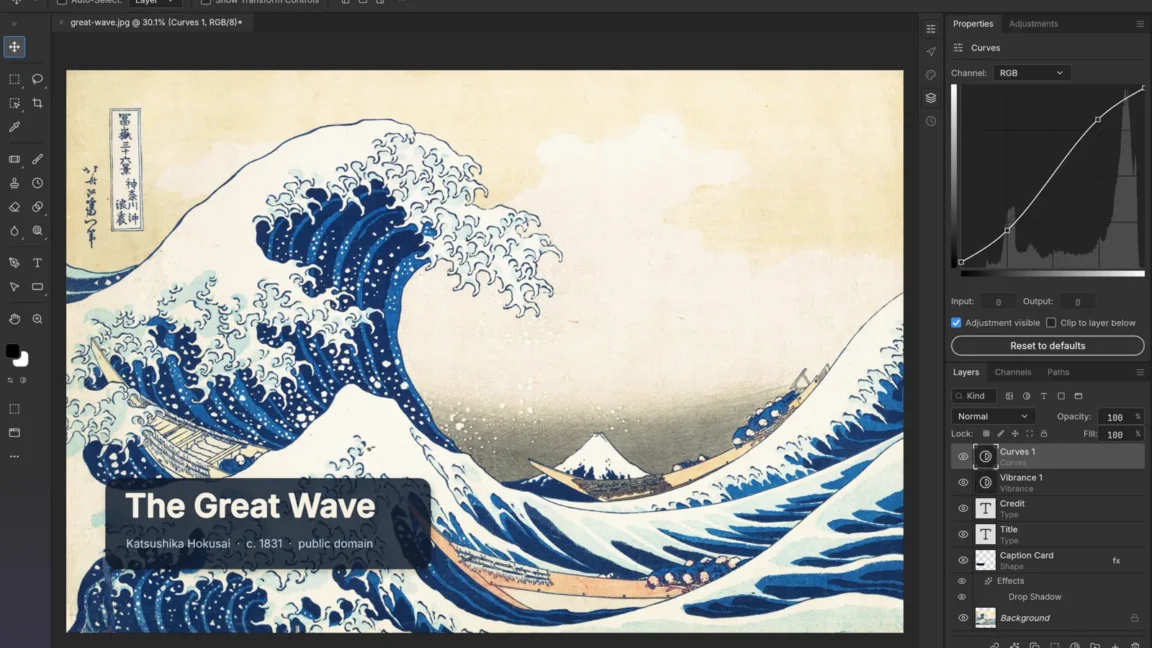
Software developer Brandon Thomas has pivoted his startup, Artcraft, to release a suite of seven open-source applications designed to replicate Adobe's core software. Using Anthropic's Claude Opus 5.5 model, Thomas generated clean-room replacements for Photoshop, Illustrator, Premiere, Lightroom, After Effects, InDesign, and Acrobat Pro. Written in Rust with WebAssembly versions for web browsers, these applications are distributed under free MIT and Apache licenses.
Though currently in a super-early alpha state with notable bugs, Thomas claims the software will rapidly improve. He initially projected reaching full feature parity with Adobe within a month, though he later adjusted that timeline, stating that achieving 99 percent parity would likely take a few months rather than years. To fund the ongoing development of these free tools, Artcraft will sell token-based access to its proprietary visual AI model and integrated development environment, which users can access directly inside the cloned applications.
For creative professionals, this project represents a potential escape from Adobe's costly subscriptions and controversial cancellation fees, which Thomas cited as his primary motivation. However, the project faces potential hurdles. While reverse-engineering software functionality is generally legally protected, the striking visual similarity of the Artcraft user interfaces to Adobe's established designs could expose the project to trademark or trade dress lawsuits.
Thomas envisions a broader shift in software development, asserting that AI tools allow single developers to rapidly recreate complex, proprietary platforms. By coding exclusively with AI since February, he believes developers can now easily build high-performance, cross-platform equivalents of dominant tech products. In his view, this capability marks a major shift, declaring that "software is over" as AI democratizes the recreation of commercial applications.
This is our own summary of reporting by Ars Technica AI