Tesla workers resist training Optimus robots
Tesla is facing internal resistance and manufacturing hurdles as it pivots to its Optimus V3 humanoid robot, highlighting the steep challenges of automating factory labor.
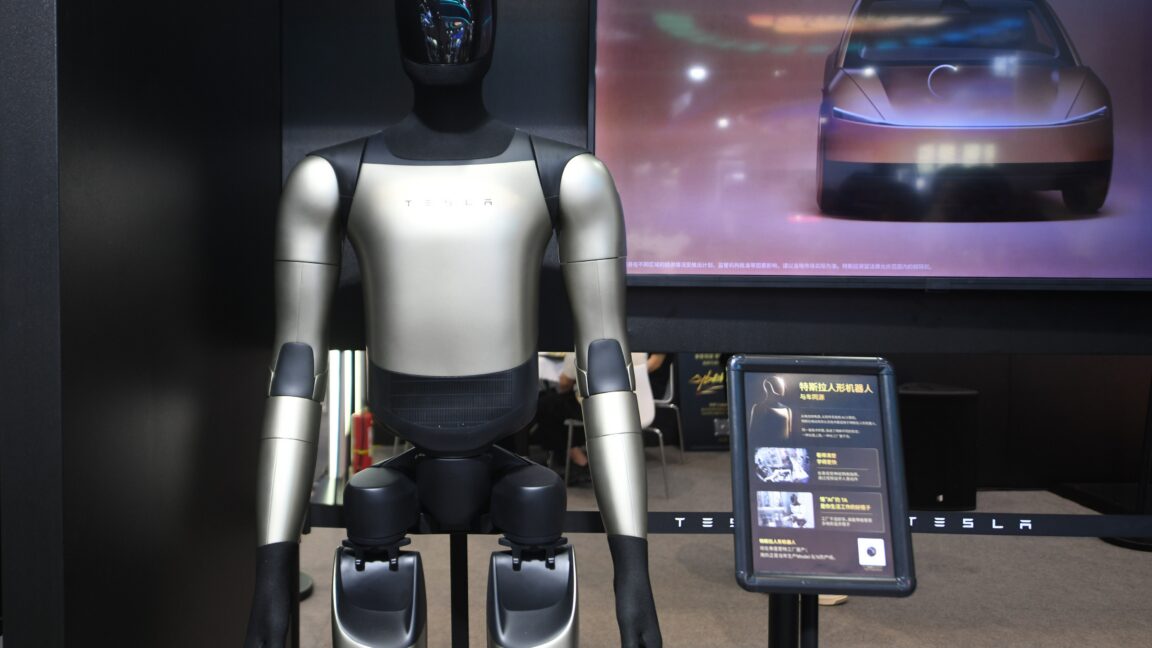
Tesla has encountered significant friction in its pivot toward robotics, as factory workers in Texas and California resist wearing motion-capture suits to train the Optimus humanoid robot. Employees balked at the imitation learning process because they realized they were training their own replacements. In response, Tesla shifted data collection to dedicated teams and specialized training hubs. This labor pushback comes as the company halted production of its Model S sedan and Model X SUV at its Fremont, California factory in May 2026 to reassign engineers and line workers to the Optimus project.
Scaling production of the newest iteration, Optimus V3, has introduced severe manufacturing bottlenecks. Tesla is currently producing hundreds of robots per week but aims to exceed 1,000 units weekly by the end of 2026. However, assembling the robot hands and forearms requires manual labor to piece together more than 100 small components, including screws. Unreliable touch sensors have forced Tesla to develop a replaceable, glove-like sensor layer to avoid replacing entire hands. Additionally, the robot's AI remains insufficient for general-purpose tasks, meaning the machines must still be programmed for specific actions in highly controlled environments.
These setbacks illustrate the practical hurdles AI and robotics practitioners face when transitioning from digital models to physical deployment. While competitors like Hyundai plan to deploy up to 25,000 Atlas humanoid robots from Boston Dynamics, and Toyota invests billions in robotic factory upgrades, the business case for humanoids remains unproven. For developers, Tesla's struggles highlight that data collection for imitation learning cannot easily rely on a hostile workforce. Furthermore, ongoing reliance on Chinese components introduces severe supply chain risks, especially after the Federal Communications Commission banned new foreign-made robots in July.
This is our own summary of reporting by Ars Technica AI


