Chai Discovery Signs Major Pharma Deals at $4B Valuation
OpenAI-backed startup Chai Discovery has secured major partnerships with pharmaceutical giants like Eli Lilly and Novartis, signaling a shift toward trust in AI-driven drug design tools.
Two-year-old startup Chai Discovery, now valued at $4 billion, has secured four major pharmaceutical deals this summer, including partnerships with Eli Lilly, Novartis, and argenx, alongside an expansion of its existing Eli Lilly program. Backed by OpenAI, the company's rapid rise highlights a broader industry shift showcased at the annual JP Morgan Healthcare Conference in January, where four major AI-pharma tool deals were announced.
Historically, AI-focused biotech firms were forced to develop their own internal drug pipelines because pharmaceutical companies demanded extensive clinical validation before purchasing external software. However, the industry is transitioning from building proprietary pipelines to purchasing software tools directly. This shift has occurred because AI models have advanced from predicting static structures to modeling binding affinity, which measures how effectively molecules interact.
For laboratory practitioners and drug designers, these advanced binding models turn traditional biological discovery into an engineering process. Instead of relying on years of trial-and-error lab work or animal testing to design complex molecules like bi-specific antibodies, researchers can now use software to generate high-quality candidates immediately. According to cofounder Matthew McPartlon and product lead Neil Patil, this approach accelerates iteration times and helps researchers "hill climb towards one-shotting molecules" directly to clinical trials.
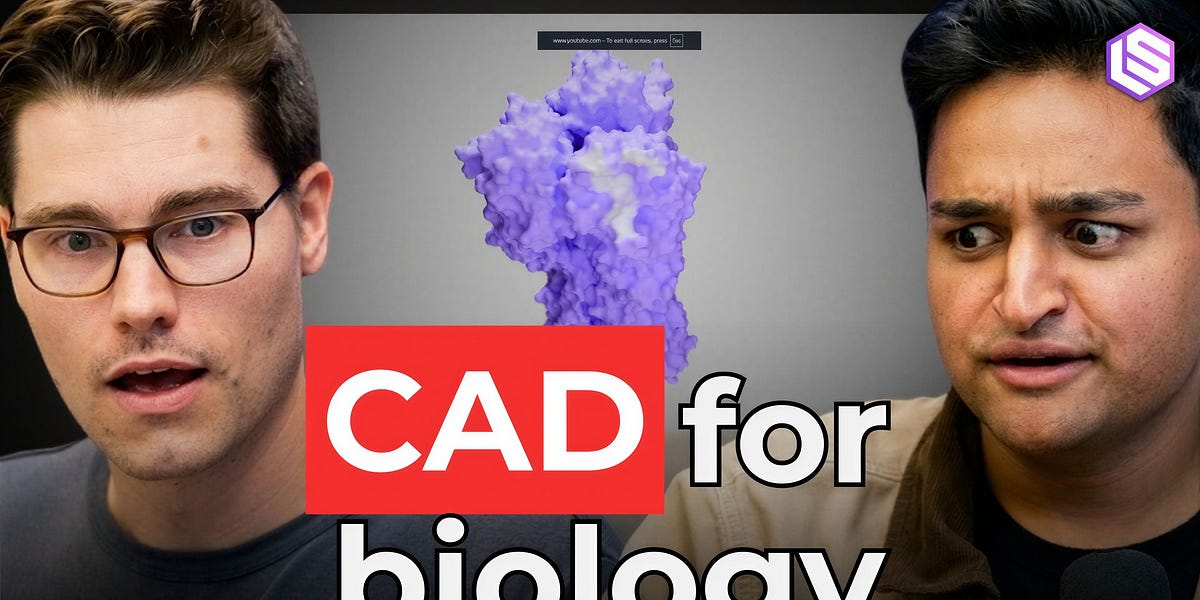
To support this workflow, Chai Discovery has focused heavily on user experience, developing a molecule editor that functions more like a computer-aided design program than a standard chatbot. By collaborating closely with pharmaceutical partners, the startup aims to design systems that reduce friction in the lab, allowing researchers to bypass traditional bottlenecks and scale up their screening for toxicity and delivery.
This is our own summary of reporting by Latent Space