AI Slop Strains GitHub as Open Source Contributions Surge
As GitHub surpasses 180 million users, a massive influx of AI-generated slop is straining maintainers, forcing developers to adopt more disciplined contribution habits to stand out.
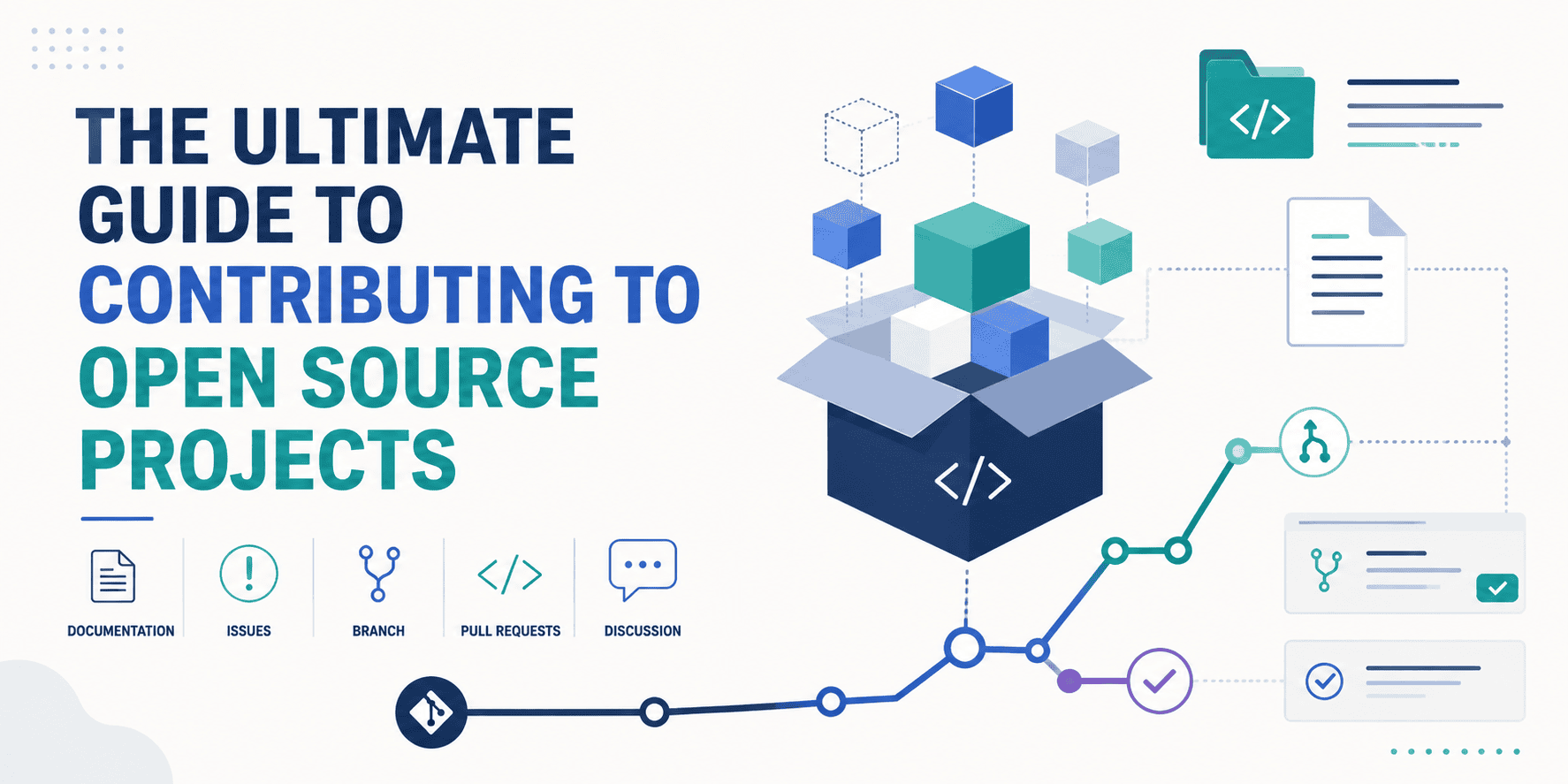
GitHub experienced massive growth in 2025, adding 36 million new developers to reach a total of over 180 million. This expansion drove a 25 percent year-over-year increase in commits, pushing the annual total near one billion, while 43.2 million pull requests were merged every month. However, this surge has widened the gap between contributors and maintainers. The rise of low-quality, automated pull requests, often called AI slop, has placed unsustainable pressure on project leaders. In 2025, the Python project hub Jazzband shut down entirely, with its lead maintainer blaming the overwhelming volume of AI-generated spam.
For modern software practitioners, navigating this crowded landscape requires a shift in how they approach open-source contributions. While 83 percent of organizations view open source as vital to their future, the threshold for acceptable contributions has risen. To catch a maintainer's attention positively, developers must prioritize quality and focus. Research from SmartBear and Cisco highlights the importance of keeping pull requests small, showing that defect detection accuracy is 87 percent for submissions under 100 lines but plummets to just 28 percent for those exceeding 1,000 lines.
Aspiring contributors should begin with low-risk tasks like documentation before tackling complex code. Utilizing discovery platforms like GoodFirstIssue.dev or Up for Grabs can help developers find receptive, appropriately sized projects. When using AI assistants like Copilot or Claude, practitioners must avoid submitting unverified code. Maintainers can easily identify automated submissions when contributors cannot explain their own changes during reviews. Reviewing every line of code and being prepared to explain the underlying logic is now essential to avoid being flagged as spam.
Mastering the mechanical workflow of forking, cloning, and syncing upstream repositories remains a fundamental skill. While a first pull request rarely merges without requested changes, the process becomes significantly faster on subsequent attempts. In an era where automated noise is at an all-time high, a carefully scoped, well-documented, and thoroughly understood contribution remains one of the strongest signals a developer can send to prospective employers.
This is our own summary of reporting by KDnuggets