OpenAI Launches ChatGPT Work With Full Browser Control
OpenAI has introduced ChatGPT Work for subscribers paying $20 or more monthly, bringing advanced features like unrestricted internet access, persistent files, and browser automation.
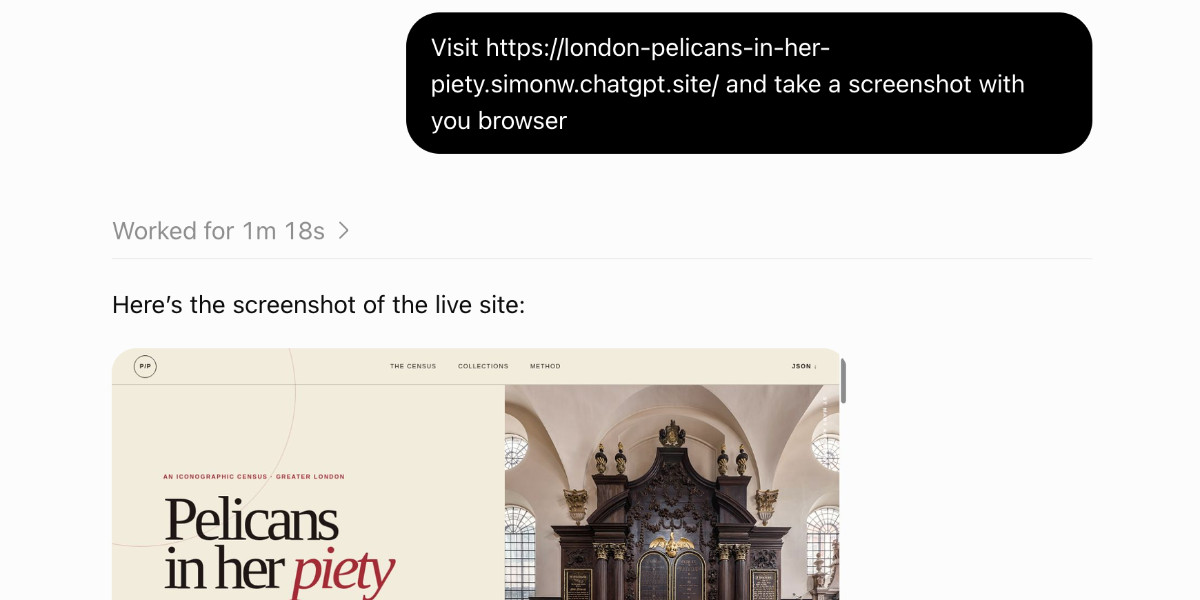
OpenAI has launched ChatGPT Work, a powerful and highly iterative product available exclusively to subscribers paying $20 per month or more, excluding free users and those on the $8 per month Go plan. The service comes in two versions: Work Local, a desktop application formerly known as Codex that runs programs directly on a user's computer, and Work Cloud, which runs via the web and mobile apps. Work Cloud introduces a suite of advanced capabilities that set it apart from the standard ChatGPT Chat interface, offering developers and power users unprecedented control over their workflows.
Under the hood, ChatGPT Work allows users to select between the GPT-5.6 Sol, Luna, and Terra models, featuring reasoning levels ranging from Light, Medium, High, Extra High, Max, to Ultra. It also supports GPT-5.5 at Light, Medium, High, and Extra High levels. This contrasts with standard Chat, which offers GPT-5.6 Instant, Medium, High, Extra High, and Pro, with the latter two restricted to subscribers paying $100 per month or more. Work sessions are billed against a user's Codex allowance, enabling the Ultra mode to eagerly delegate tasks to sub-agents.
For practitioners, the most significant upgrade is the code execution environment's unrestricted internet access. Unlike standard Chat or Anthropic's Claude, which limits access to a short allowlist of domains, ChatGPT Work can clone GitHub repositories, install dependencies, and interact freely with the web. It features a browser tool that launches a full Chrome instance to load websites, fill out forms, handle two-factor authentication, and run JavaScript against the document object model.
Additionally, ChatGPT Work provides a persistent filesystem where folders under directories like /workspace/scratch are shared and saved across sessions. Users can also build and deploy entire websites using Cloudflare Workers, incorporating HTML, JavaScript, and stateful databases like Cloudflare D1 and R2. The system utilizes 44 distinct skills, such as control-browser, spreadsheets, and data-analytics, to automate complex multi-agent tasks and schedule recurring prompts.
This is our own summary of reporting by Simon Willison