US Arrests Tech CEO for Smuggling $300M in Nvidia Chips
The arrest of a tech CEO for allegedly smuggling $300 million in Nvidia GPUs to China underscores the growing challenge of securing the AI hardware supply chain against illicit diversion.
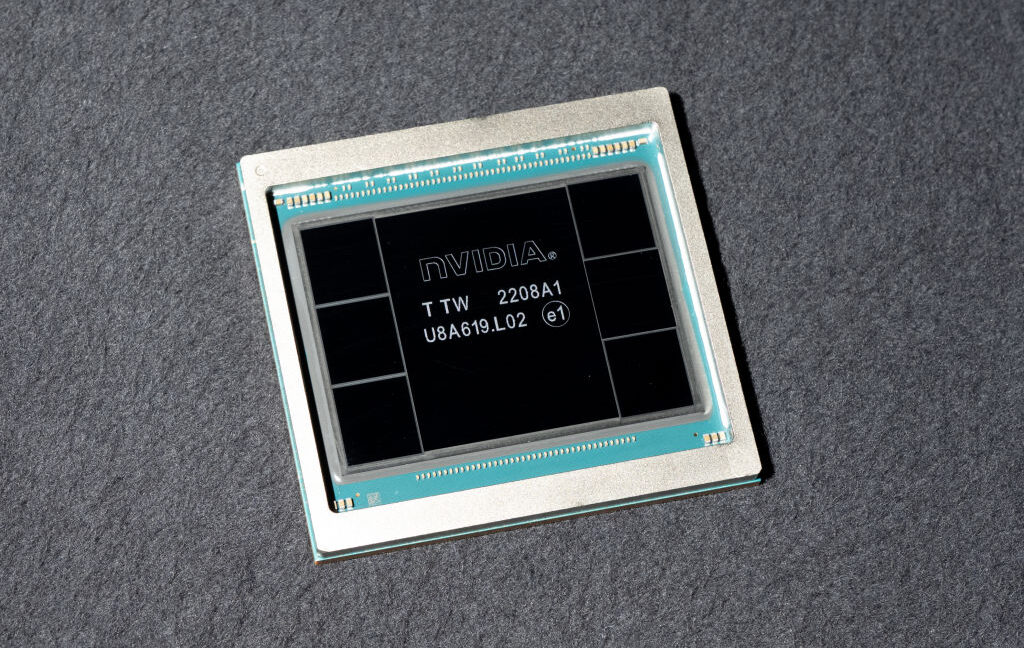
Federal authorities arrested 38-year-old Greg Lui, CEO of Earthmade Computer, for allegedly orchestrating a massive scheme to smuggle export-controlled Nvidia A100 and H100 GPUs into China. The Department of Justice claims Lui used fraudulent paperwork and freight-forwarding networks in Malaysia and Singapore to bypass US export controls on shipments valued at more than $300 million. In 2024 alone, Lui’s firm reportedly received over $176 million from these illicit operations, utilizing accounts at Bank of America and JP Morgan.
The indictment details several fraudulent transactions, including a 2024 order for 70 servers with restricted GPUs. Lui allegedly purchased 27 of these servers for approximately $7,614,000 under the guise of shipping them to Malaysia, though they were ultimately diverted to China. In another instance, 92 servers were routed through Singapore, Malaysia, and Hong Kong to reach an AI hub in Hangzhou. Lui also allegedly used the stolen identity of a fake buyer named Jackie Lui to ship 100 servers containing H100 GPUs worth over $22 million. He now faces up to 20 years in prison for conspiracy and money laundering, and up to 10 years for smuggling.
For AI practitioners and hardware procurement officers, this case signals a dramatic tightening of compliance scrutiny. While Nvidia claims that less than "one half of one percent" of its products are diverted, US officials are pressuring chipmakers to aggressively vet buyers. The federal government is urging companies to flag red flags, such as small startups ordering massive server volumes that exceed their physical facility capacities. Practitioners should expect more rigorous end-user verification, longer lead times for international GPU shipments, and stricter audits of distribution partners in Southeast Asia to prevent inadvertent association with black-market networks.
This is our own summary of reporting by Ars Technica AI


