Amperity Exposes Retail AI Gaps During Back-to-School Rush
Amperity warns that fragmented customer data is undermining retail AI systems during high-volume shopping seasons, preventing brands from retaining newly acquired customers.
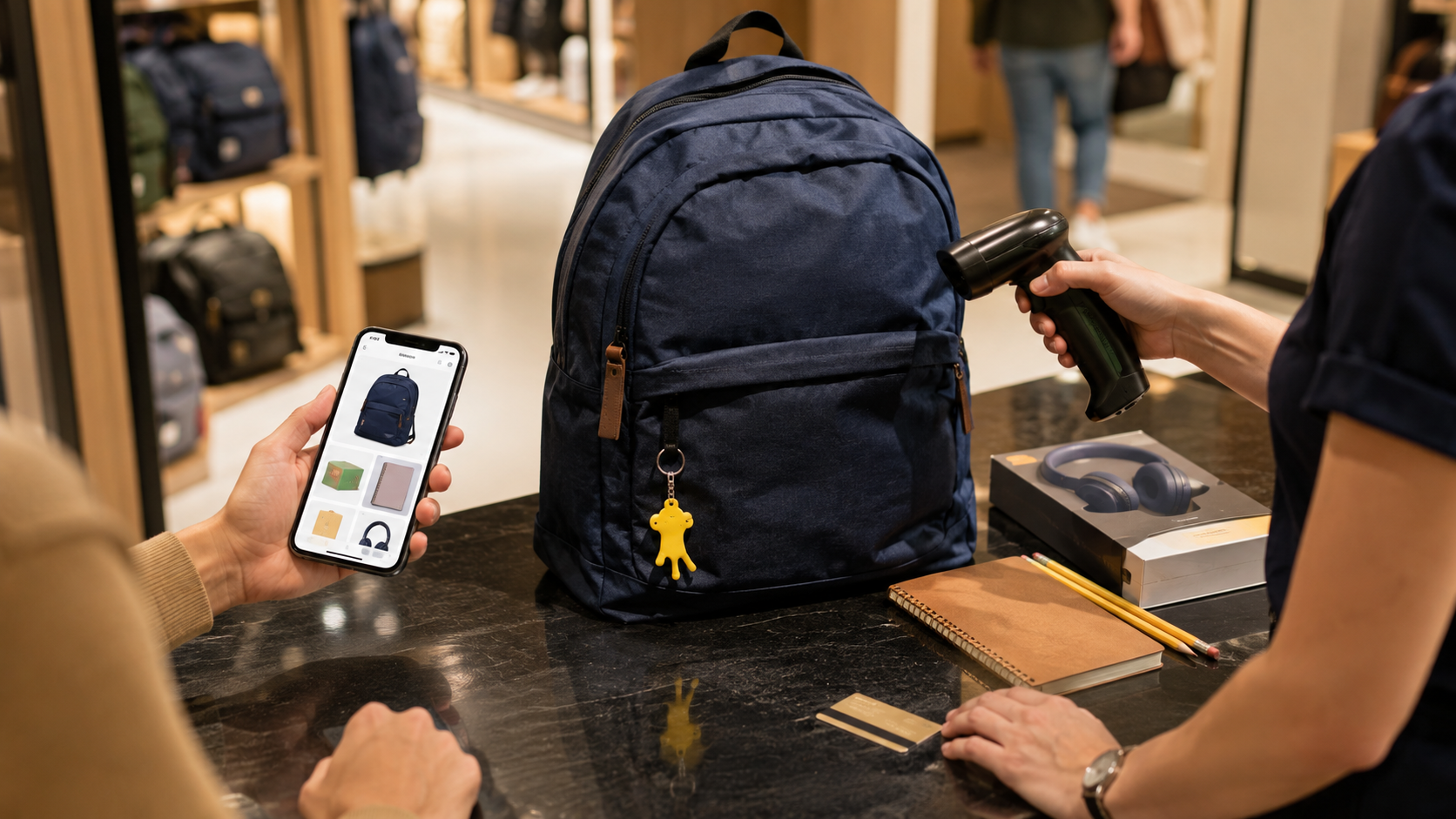
The intense back-to-school shopping season serves as a critical stress test for retail AI systems, exposing significant gaps in how brands track customer identity. According to research from the National Retail Federation, 62 percent of back-to-school shoppers began browsing by early July, with about one-third planning purchases around summer sales. Additionally, 78 percent of these consumers expected higher prices, driving intense comparison shopping across multiple digital and physical channels.
For retail practitioners, this multi-channel behavior creates fragmented data profiles that confuse AI models. A single parent might browse anonymously, buy a laptop via an app, and use a physical loyalty card, appearing to internal systems as several different people. This fragmentation leads to costly errors, such as targeting customers with ads for items they already bought. Amperity's 2026 Consumer Priorities Report, which surveyed 1,000 U.S. consumers, highlights the stakes of this friction, finding that 63.3 percent of shoppers will switch brands to secure a better offer.
This lack of continuity also threatens the growing commerce media sector, where the Interactive Advertising Bureau projects U.S. spending will increase by 12.1 percent in 2026. Retailers often measure seasonal campaigns using short-term return on ad spend, but AI requires a longer measurement window to determine if acquired shoppers actually become high-value, repeat customers. Without a unified identity resolution system, AI cannot accurately link initial ad exposure to long-term customer value.
Furthermore, personalization must balance utility with data privacy. PwC's 2025 Customer Experience Survey found that 53 percent of consumers are willing to share personal data for a smoother brand experience, but 93 percent state that mishandling data would cause them to lose trust in a business. To succeed, retail AI must move beyond isolated predictions and operate within a continuous learning loop that respects customer consent while maintaining a single, trusted profile over time.
This is our own summary of reporting by Unite.AI