MIT Study Explores Risks of Shared Hiring AI
New MIT research warns that widespread corporate reliance on the same AI hiring algorithms can create a monoculture that repeatedly locks qualified candidates out of the job market.
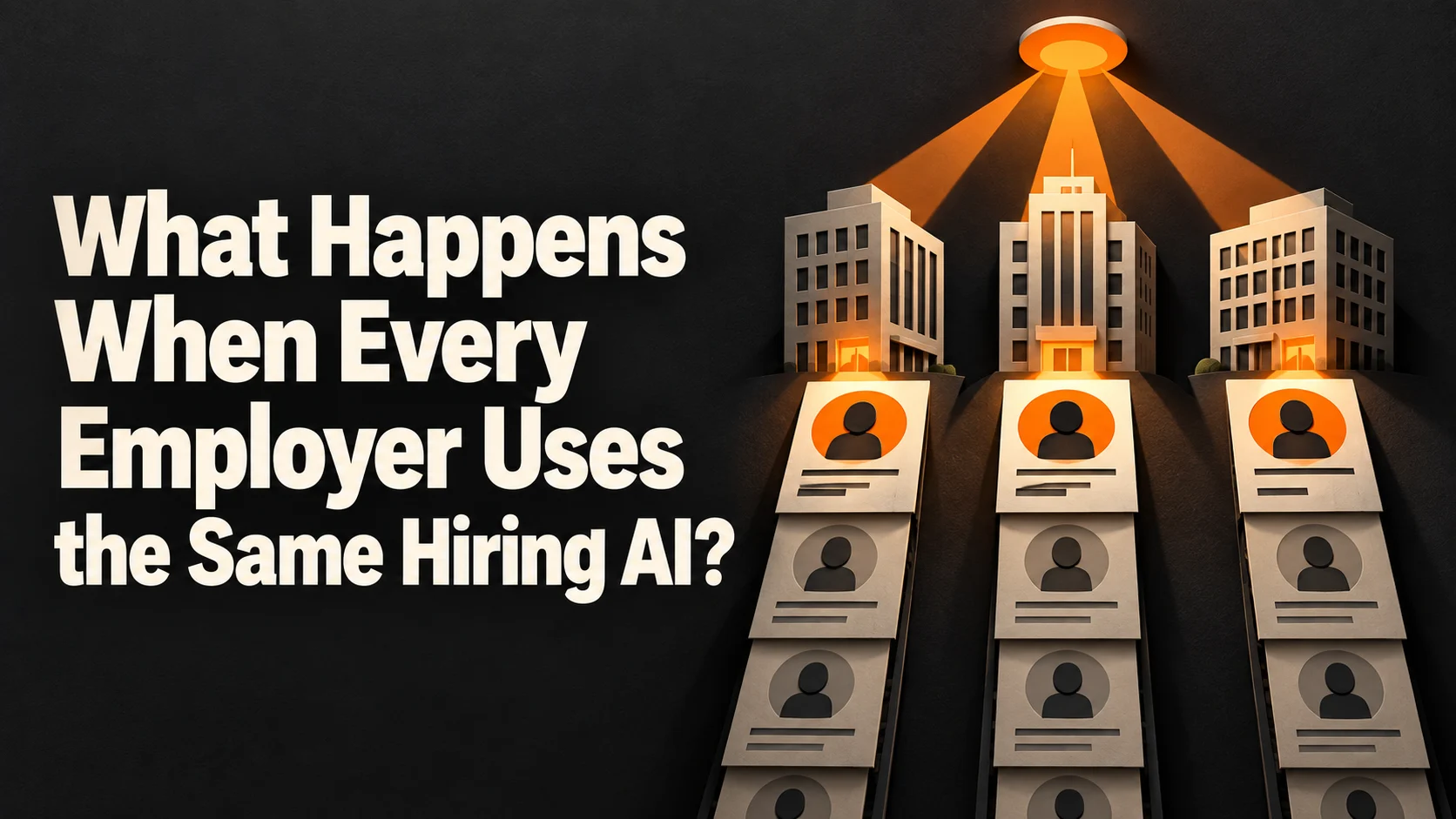
Researchers Brian Hedden and Manish Raghavan from MIT published a paper in Philosophical Perspectives examining the effects of algorithmic monoculture in hiring. Widespread adoption of identical screening tools could lead to employers repeatedly overlooking the same job seekers. While their theoretical models show that overall employment numbers might not drop because rejected candidates eventually find work as employers exhaust top-tier lists, the system severely limits how much companies can learn about unconventional talent.
This theoretical risk aligns with empirical findings from a separate Stanford-led study. Analyzing approximately 3 million applicants and 4 million applications processed by a single screening vendor, researchers discovered significant racial disparities affecting Black and Asian candidates. Specifically, among individuals who applied for 10 different positions, 4 percent received automated rejection recommendations across every single application, a rate far higher than would occur by chance.
To mitigate these systemic blind spots, the MIT researchers simulated alternative approaches. They found that using an ensemble method, which combines multiple ranking models into a single score, could sometimes match or exceed the performance of companies using entirely separate algorithms. Introducing elements of randomness into the selection process also helped expose employers to candidates outside the top-ranked tier, though the authors note these solutions remain largely theoretical.
For enterprise AI buyers and hiring managers, these findings suggest that evaluating a tool based solely on its individual accuracy benchmarks is insufficient. If an organization relies on the same foundation models or screening vendors as its competitors, it risks inheriting a shared bias that filters out valuable talent. Practitioners should actively test whether alternative assessment methods yield different candidate pools and avoid relying entirely on a single, industry-standard ranking logic.
This is our own summary of reporting by The Neuron