Unite.AI Defines Five Key Elements of Agentic AI
A new analysis by Unite.AI details how agentic AI is shifting from simple text generation to autonomous, goal-directed systems, requiring developers to rethink software design and safety.

In a new architectural breakdown, technology publication Unite.AI has mapped out the transition from standard generative models to autonomous agentic AI systems. Unlike traditional conversational models that stop after generating a single response, agentic systems operate within a continuous control loop to actively pursue complex goals. This shift represents a major evolution for developers, moving AI from a passive text generator into an active system component that can run code, query databases, and coordinate with other agents.
According to the analysis, a production-ready agentic system relies on five core elements: a reasoning model, system instructions, functional tools, state or memory, and a runtime control loop. To execute tasks, the system typically cycles through a four-stage loop of planning, acting, observing, and adapting. This structure mirrors the ReAct framework, which interleaves reasoning and action to let real-world feedback guide subsequent steps. Both Anthropic and OpenAI have highlighted this dynamic loop as a critical transition point from static workflows to flexible, tool-using agents.
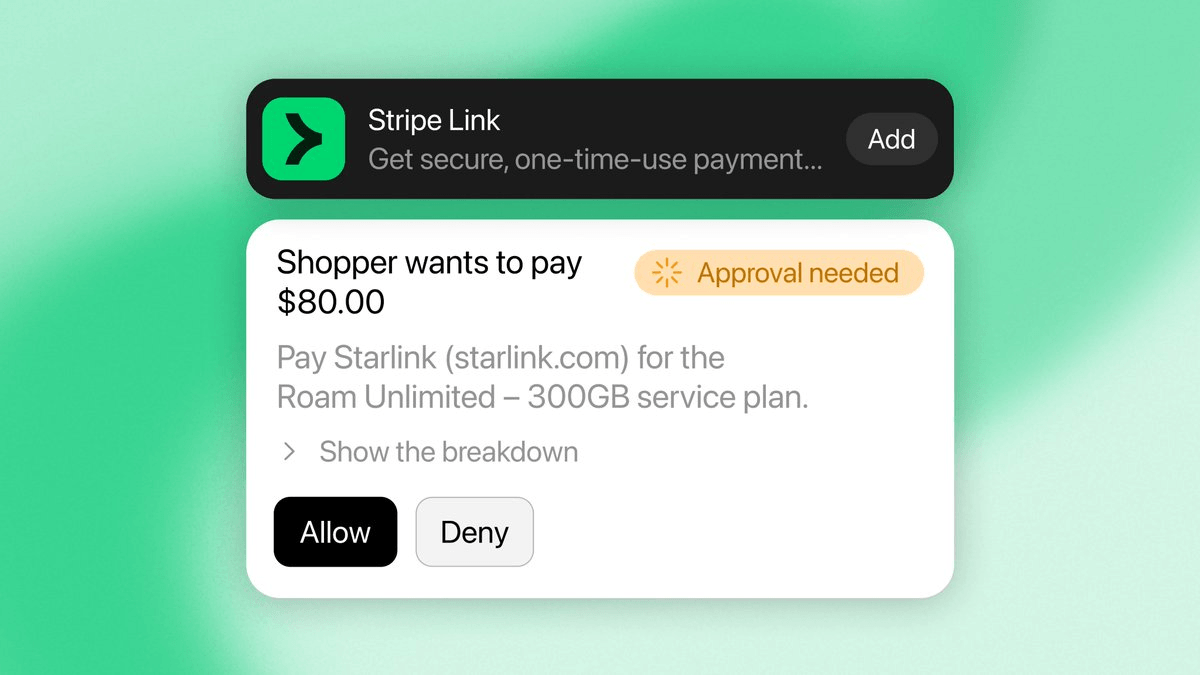
For software practitioners, building these systems requires moving away from rigid, predefined code paths toward what the report terms 'bounded agency.' Instead of granting an agent unrestricted freedom, developers must combine deterministic software constraints with narrow agentic capabilities. This approach ensures that high-impact actions, such as executing financial transactions or deleting database records, remain subject to strict schema validation, sandboxing, and human approval.
Furthermore, evaluating agentic AI introduces unique challenges because errors can compound over long operational trajectories. A system might arrive at a correct final answer through a fragile, unsafe path, or fail entirely due to a minor tool error early in the loop. Consequently, practitioners must implement robust observability pipelines to track intermediate tool calls and decision paths, ensuring that autonomy is carefully calibrated to actual performance.
This is our own summary of reporting by Unite.AI

%22%3E%0A%3Cstop%20offset%3D%220%25%22%20stop-color%3D%22%231a1c1c%22%2F%3E%3Cstop%20offset%3D%22100%25%22%20stop-color%3D%22%234c4546%22%2F%3E%0A%3C%2FlinearGradient%3E%3C%2Fdefs%3E%0A%3Crect%20width%3D%22800%22%20height%3D%22500%22%20fill%3D%22url(%23g)%22%2F%3E%0A%3Cg%20stroke%3D%22%23ffffff%22%20stroke-opacity%3D%220.10%22%20stroke-width%3D%222%22%3E%0A%3Cline%20x1%3D%22-200%22%20y1%3D%22500%22%20x2%3D%22100%22%20y2%3D%220%22%2F%3E%3Cline%20x1%3D%22-60%22%20y1%3D%22500%22%20x2%3D%22240%22%20y2%3D%220%22%2F%3E%3Cline%20x1%3D%2280%22%20y1%3D%22500%22%20x2%3D%22380%22%20y2%3D%220%22%2F%3E%3Cline%20x1%3D%22220%22%20y1%3D%22500%22%20x2%3D%22520%22%20y2%3D%220%22%2F%3E%3Cline%20x1%3D%22360%22%20y1%3D%22500%22%20x2%3D%22660%22%20y2%3D%220%22%2F%3E%3Cline%20x1%3D%22500%22%20y1%3D%22500%22%20x2%3D%22800%22%20y2%3D%220%22%2F%3E%3Cline%20x1%3D%22640%22%20y1%3D%22500%22%20x2%3D%22940%22%20y2%3D%220%22%2F%3E%3Cline%20x1%3D%22780%22%20y1%3D%22500%22%20x2%3D%221080%22%20y2%3D%220%22%2F%3E%0A%3C%2Fg%3E%0A%3Ctext%20x%3D%2248%22%20y%3D%22430%22%20font-family%3D%22Helvetica%2CArial%2Csans-serif%22%20font-size%3D%22132%22%20font-weight%3D%22800%22%0A%20fill%3D%22%23ffffff%22%20fill-opacity%3D%220.22%22%20letter-spacing%3D%22-4%22%3ETD%3C%2Ftext%3E%0A%3C%2Fsvg%3E)