Andreessen Horowitz Raises $1.1B Machine Age Fund
Venture capital firm Andreessen Horowitz has raised $1.1 billion for its new Machine Age Fund, marking a major shift toward funding the physical hardware and infrastructure powering AI.
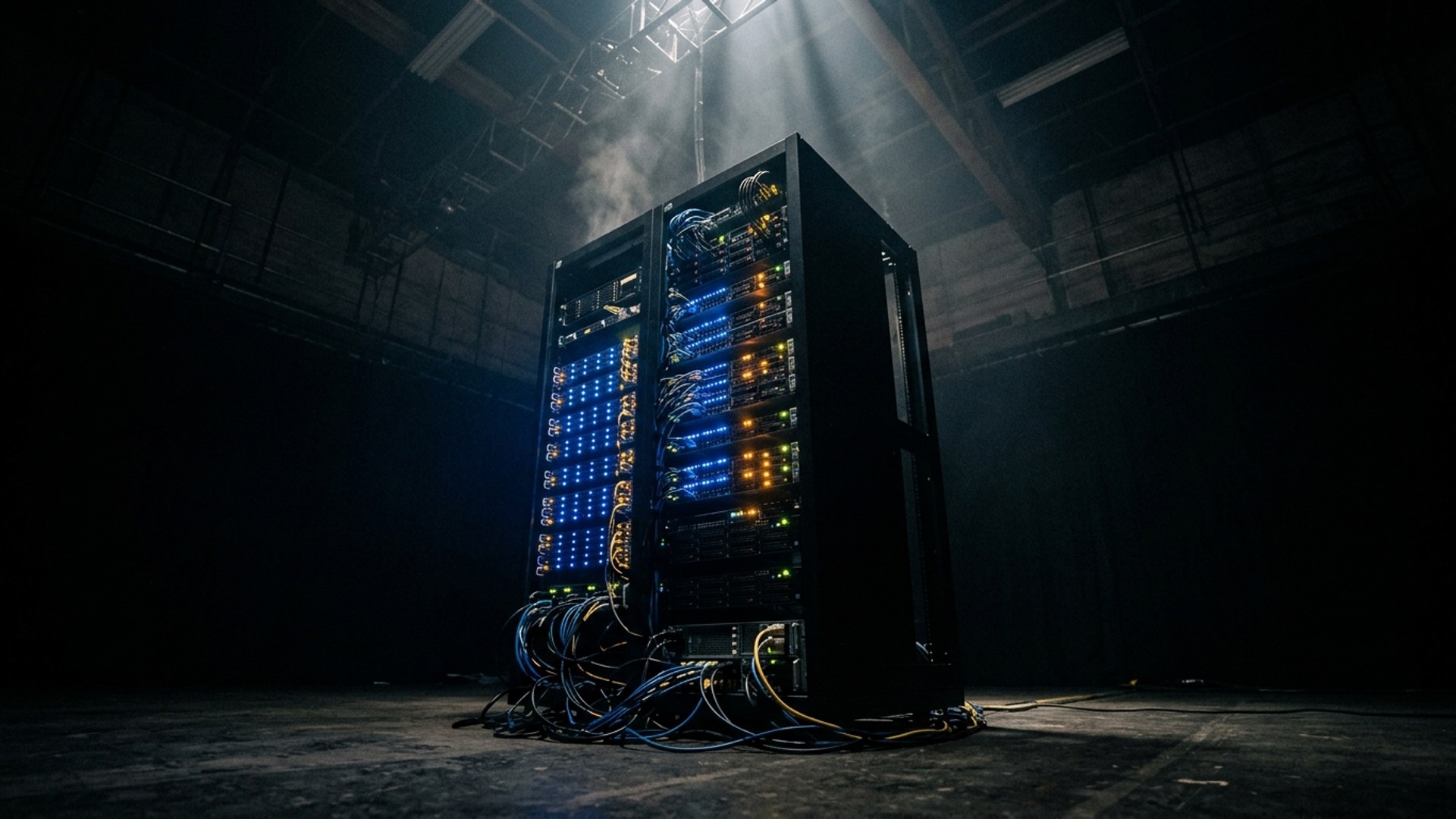
On August 28, 2026, venture capital firm Andreessen Horowitz announced the launch of its $1.1 billion Machine Age Fund. Led by general partners Ben Horowitz, Martin Casado, Raghu Raghuram, David Ulevitch, and David George, the new vehicle marks a formal pivot into hardware investing for the traditionally software-focused firm. The fund will target the physical bottlenecks of artificial intelligence, investing in chips, memory, networking, storage, data centers, robotics, and home AI appliances.
The firm justified the massive raise by pointing to unprecedented physical constraints in the AI supply chain. According to the partners, compute density per rack has surged 28-fold from Nvidia's H100 rack to its newer Rubin rack. Rack power requirements have skyrocketed from 5 to 10 kilowatts up to 100 to 250 kilowatts today, with expectations to hit 1 megawatt within three years. This shift is pushing copper cabling to its physical limits. For instance, Nvidia's 800 VDC architecture documentation notes that a 1-megawatt rack using traditional 54-volt distribution would require 200 kilograms of copper busbar. Consequently, data centers are scaling from tens of megawatts to gigawatt-scale campuses.
For hardware founders and AI practitioners, this fund represents a critical source of capital in an industry where the supply side must transition from its historical 20% to 30% annual growth to triple-digit growth. Hardware startups have already grown to represent more than 20% of Andreessen Horowitz's deal flow. The firm has recently backed startups like Unconventional AI, Nexthop, Volta, Atoms, Heron Power, and Mind Robotics, building on a hardware portfolio that includes Skydio, SpaceX, Anduril, and Waymo. This capital injection means practitioners can expect accelerated development of faster interconnects, cheaper high-bandwidth memory, and more efficient cooling systems to support next-generation AI workloads.
This is our own summary of reporting by Unite.AI