NVIDIA DSX MaxLPS Boosts GPU Capacity by Up to 40 Percent
NVIDIA has introduced DSX MaxLPS, a technology suite designed to reclaim wasted power and increase GPU capacity in data centers by up to 40 percent within existing power budgets.

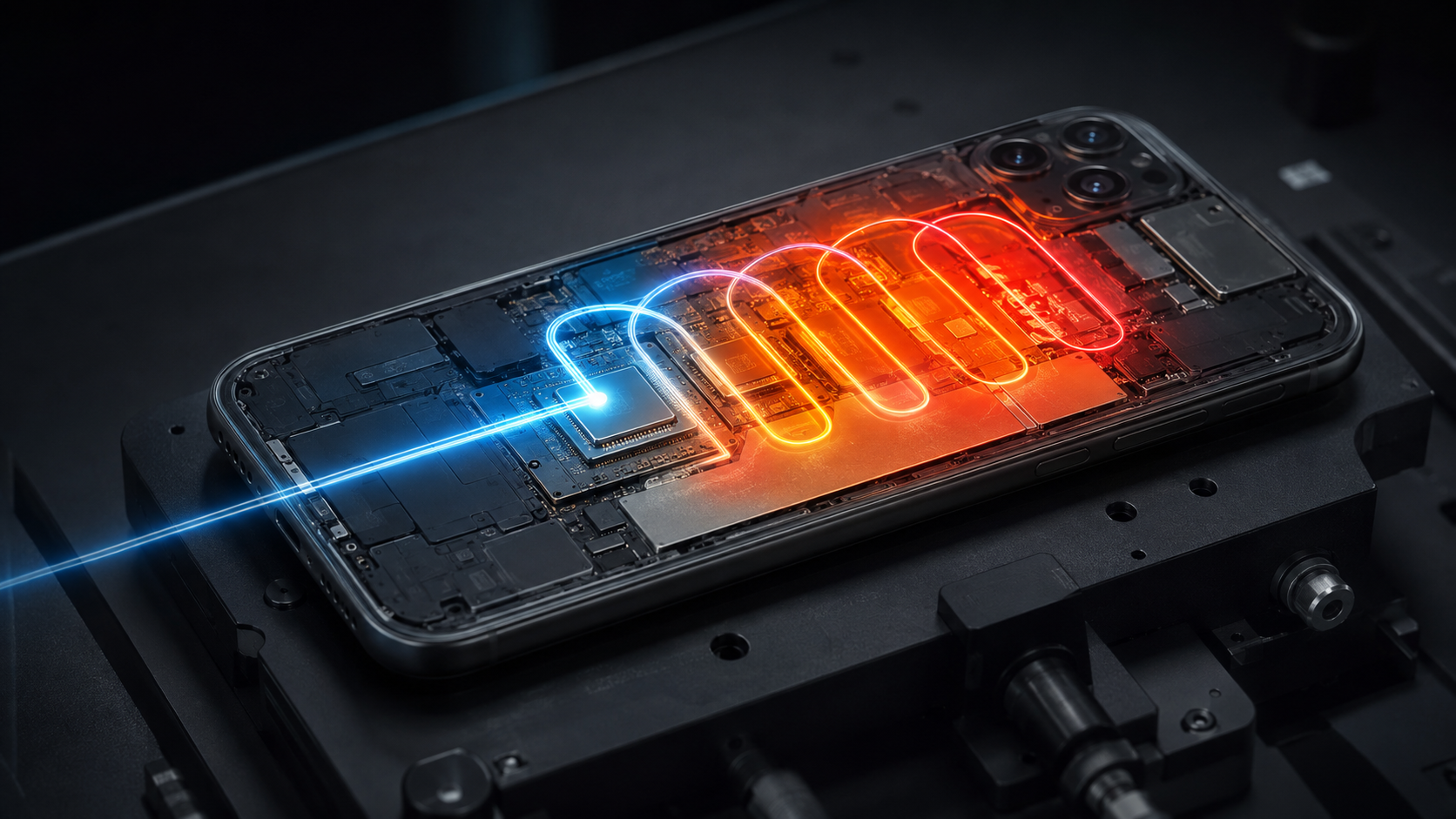
NVIDIA has unveiled DSX MaxLPS (Maximum Land Power Shell), a suite of chip, thermal, system, and software technologies aimed at maximizing AI factory throughput under fixed power constraints. Traditional data centers rely on static rack provisioning, which allocates maximum power to meet worst-case peak demands, leaving significant capacity unused. In a typical 100-megawatt facility, only 60 megawatts might reach the actual AI workload after accounting for 20 megawatts of facility overhead, 10 megawatts of rack losses, and 10 megawatts of operational inefficiencies. MaxLPS addresses this by replacing static limits with dynamic power allocation.
At the heart of this suite is the Dynamic Power Software, currently in Developer Preview, which continuously monitors and redistributes unused power headroom across racks and GPUs. For example, in a 540-kilowatt site, reclaiming 170 kilowatts of stranded power allows operators to deploy an additional rack. The suite also includes Workload Profile Power Solutions and the Application Performance and Power Manager to optimize GPU behavior for specific tasks, alongside NVIDIA Dynamo for inference optimization. Furthermore, the system utilizes 45-degree Celsius liquid-cooling inlet temperatures to reduce mechanical chilling overhead and improve power usage effectiveness.
These integrations yield substantial efficiency gains. When validated on the NVIDIA GB200 NVL72 system running the Kimi-K2.5 inference workload, MaxLPS reduced provisioned rack power from 125 kilowatts to 90 kilowatts, enabling 39 percent more racks and a 1.5x improvement in performance per watt. On the upcoming Vera Rubin NVL72 system running DeepSeek-R1, provisioned rack power dropped from 136 kilowatts to 101 kilowatts, allowing 35 percent more racks and a 1.3x to 1.4x boost in performance per watt. Overall, NVIDIA projects the technology can support up to 40 percent more Rubin GPU capacity within the same power envelope.
For data center operators and system architects, this shift means they can scale up compute density without costly utility retrofits. By integrating tools like the open-source DSX Exchange event bus, facilities can connect power management directly to building systems and cooling infrastructure. Practitioners are encouraged to design new facilities or retrofit existing ones for 45-degree Celsius liquid cooling and MaxLPS early in the planning cycle to maximize long-term hardware capacity as workloads transition from training to inference.
This is our own summary of reporting by NVIDIA Developer Blog

%22%3E%0A%3Cstop%20offset%3D%220%25%22%20stop-color%3D%22%231f2d24%22%2F%3E%3Cstop%20offset%3D%22100%25%22%20stop-color%3D%22%234f6f5b%22%2F%3E%0A%3C%2FlinearGradient%3E%3C%2Fdefs%3E%0A%3Crect%20width%3D%22800%22%20height%3D%22500%22%20fill%3D%22url(%23g)%22%2F%3E%0A%3Cg%20stroke%3D%22%23ffffff%22%20stroke-opacity%3D%220.10%22%20stroke-width%3D%222%22%3E%0A%3Cline%20x1%3D%22-200%22%20y1%3D%22500%22%20x2%3D%22100%22%20y2%3D%220%22%2F%3E%3Cline%20x1%3D%22-60%22%20y1%3D%22500%22%20x2%3D%22240%22%20y2%3D%220%22%2F%3E%3Cline%20x1%3D%2280%22%20y1%3D%22500%22%20x2%3D%22380%22%20y2%3D%220%22%2F%3E%3Cline%20x1%3D%22220%22%20y1%3D%22500%22%20x2%3D%22520%22%20y2%3D%220%22%2F%3E%3Cline%20x1%3D%22360%22%20y1%3D%22500%22%20x2%3D%22660%22%20y2%3D%220%22%2F%3E%3Cline%20x1%3D%22500%22%20y1%3D%22500%22%20x2%3D%22800%22%20y2%3D%220%22%2F%3E%3Cline%20x1%3D%22640%22%20y1%3D%22500%22%20x2%3D%22940%22%20y2%3D%220%22%2F%3E%3Cline%20x1%3D%22780%22%20y1%3D%22500%22%20x2%3D%221080%22%20y2%3D%220%22%2F%3E%0A%3C%2Fg%3E%0A%3Ctext%20x%3D%2248%22%20y%3D%22430%22%20font-family%3D%22Helvetica%2CArial%2Csans-serif%22%20font-size%3D%22132%22%20font-weight%3D%22800%22%0A%20fill%3D%22%23ffffff%22%20fill-opacity%3D%220.22%22%20letter-spacing%3D%22-4%22%3ETD%3C%2Ftext%3E%0A%3C%2Fsvg%3E)