Meta Muse AI Agent Outshines OpenAI and Anthropic
Meta has seized the artificial intelligence spotlight with its Muse personal assistant, outpacing early adoption metrics for ChatGPT even as Anthropic and OpenAI rush out major model updates.

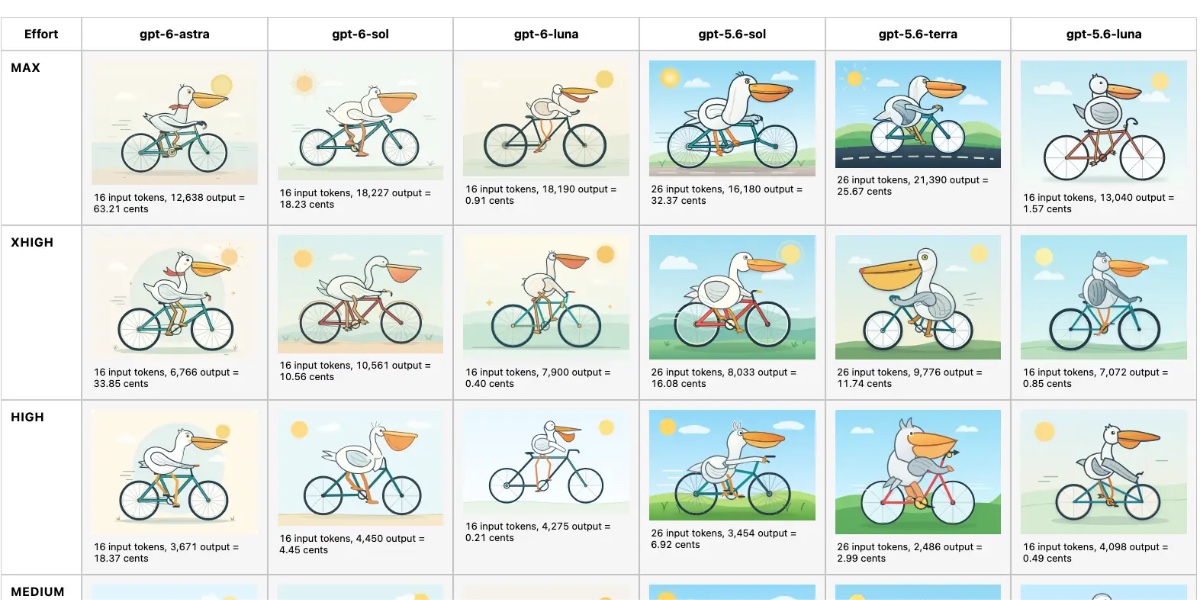
Meta has disrupted the rapid release cycle of its primary rivals by drawing intense consumer interest to its Muse personal AI agent. The launch comes during a highly competitive week of product debuts. Anthropic initially rolled out its Opus 5.5 model, only for OpenAI to counter a mere 90 minutes later with updates to its GPT-6 model. Despite these heavyweight upgrades, Meta captured the industry's attention as Muse reportedly surpassed the early adoption numbers achieved by ChatGPT during its initial mobile launch.
Meta is positioning Muse for a physical expansion beyond standard mobile applications. The company plans to integrate the personal assistant into smart glasses as well as a dedicated, miniature Tamagotchi-style hardware device. This hardware-first approach represents a distinct consumer strategy compared to the enterprise-heavy focus of its competitors, aiming to embed generative AI directly into the daily physical habits of users.
This shift in consumer AI dynamics occurs alongside massive financial movements in the broader tech ecosystem. For instance, enterprise agent startup Ema recently secured a 77 million dollar funding round to automate corporate workflows for clients like Google and Microsoft. Meanwhile, health-tech wearable maker Oura is heading toward a 2.2 billion dollar initial public offering, highlighting the growing intersection of hardware, personal data, and software.
For AI developers and product strategists, the rapid rise of Muse indicates that consumer distribution and hardware integration may now trump raw model benchmarks. While Anthropic and OpenAI continue their fierce technical rivalry at the frontier, Meta is demonstrating that packaging an agent into accessible, everyday form factors can yield superior user traction. Practitioners must look beyond API performance and begin designing agentic workflows optimized for ambient, wearable form factors.
This is our own summary of reporting by TechCrunch AI