OpenAI and Anthropic cut prices to battle Chinese rivals
OpenAI and Anthropic are slashing mid-tier model prices to retain enterprise clients who are increasingly turning to cheaper Chinese alternatives like DeepSeek and Moonshot.
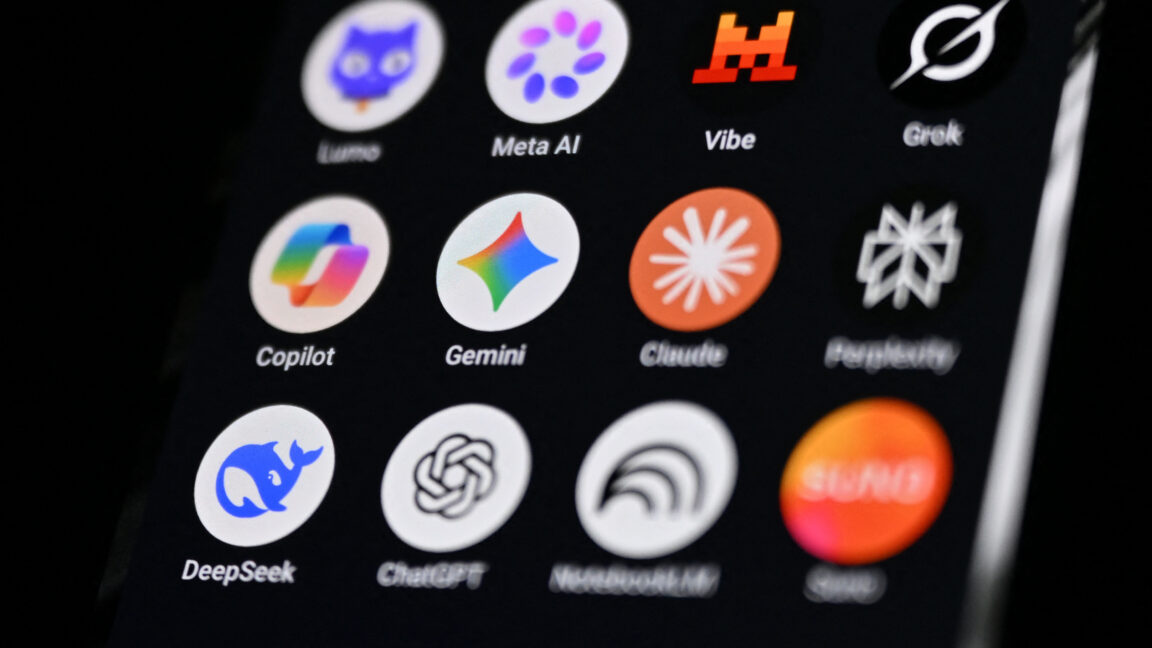
To defend their market share, major US artificial intelligence developers are aggressively lowering costs. OpenAI reduced the price of its GPT-5.6 Luna model by 80 percent, dropping input costs from $1 to $0.20 per million tokens and output costs from $6 to $1.20 per million tokens. Meanwhile, Anthropic introduced its Claude Opus 5 model at $5 per million input tokens and $25 per million output tokens, which is half the price of its flagship Fable 5 model. Anthropic also canceled a scheduled price increase for its Sonnet 5 model that was set for September.
These reductions have driven down average token prices from top US labs by nearly 25 percent since mid-July, according to Silicon Data's token price index. The price war is fueled by rising corporate AI expenses and a shift toward usage-based billing, prompting companies like DoorDash and Airbnb to adopt cheaper Chinese alternatives. Chinese firms such as Moonshot and DeepSeek have rapidly closed the performance gap, offering highly competitive open-source and proprietary models that pressure US market dominance.
For practitioners, evaluating these options requires looking beyond headline token rates to actual task performance and effort settings. Benchmarks from Artificial Analysis show that Anthropic's Opus 5 running at medium effort delivers comparable performance and cost per task to Moonshot's Kimi K3 at max effort. Conversely, OpenAI's GPT-5.6 Luna at max effort matches the performance of DeepSeek's V4 Flash at max effort, but still costs nearly twice as much per task.
This pricing pressure comes as OpenAI and Anthropic eye trillion-dollar initial public offerings, leaving them to balance investor demands for profitability with the need to retain customers. As Mantas Lukauskas of Hostinger observed, US labs have "cut the middle and are defending the top" of their model lineups.
This is our own summary of reporting by Ars Technica AI