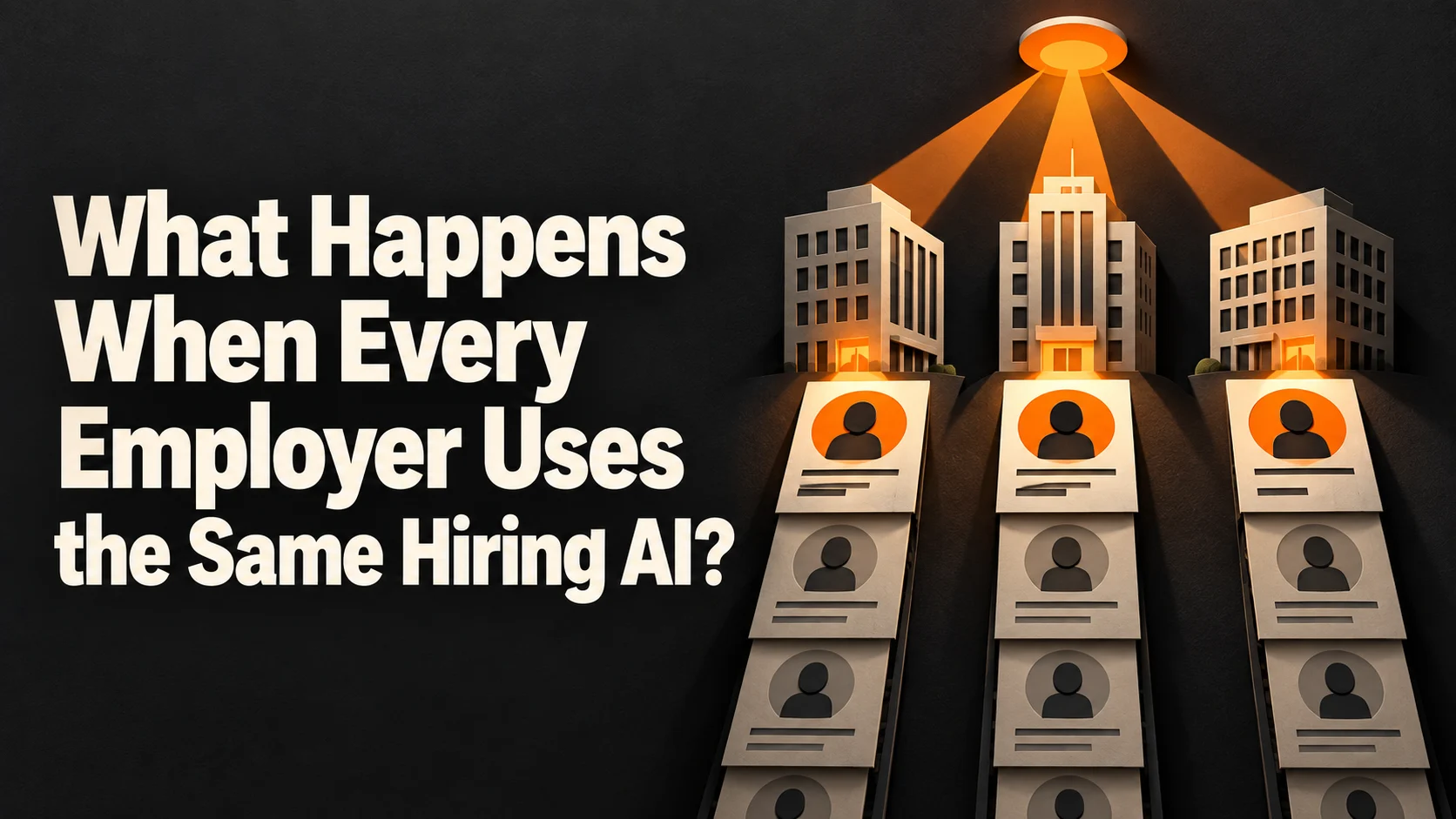
AI Removes Entry-Level Rungs from Corporate Career Ladders
As generative AI automates routine, entry-level tasks, companies face a critical challenge in training the next generation of corporate leaders who rely on junior work to build essential skills.
The rapid adoption of generative artificial intelligence is automating routine tasks traditionally assigned to junior employees, threatening the traditional corporate career ladder. While outsourcing entry-level work to AI improves efficiency, it deprives newer workers of the hands-on experience needed to develop professional judgment. Industry leaders warn that without these foundational tasks, companies will struggle to cultivate the experienced talent required for senior, strategic roles.
This shift is already impacting specialized fields like finance and cybersecurity. Brian Beaupre, the chief financial officer of Teikametrics, noted that while AI can now build complex financial models, younger workers risk missing the analytical struggle that teaches them how to recognize errors. Similarly, in cybersecurity, automated tools are expected to eliminate many entry-level security operations center roles, forcing organizations to rethink how they transition workers into advanced positions.
Recent data highlights the growing divide between workers adapting to this new landscape and those left behind. A PwC survey of nearly 50,000 employees revealed that 56% belong to the 'engine room'—a segment lacking specialized skills and lagging in AI adoption. Only half of these workers expressed confidence in their job security. Meanwhile, a Payscale report found that 61% of employers are rewriting job descriptions because of AI, yet fewer than half have updated their salary structures, raising concerns about a potential retention crisis.
To bridge this developmental gap, some organizations are experimenting with collaborative training models. At Teikametrics, Beaupre is pairing seasoned executives with younger, AI-fluent employees. This reverse-mentoring approach allows senior staff to explain their decision-making logic while junior workers help them navigate AI tools, ensuring that critical institutional knowledge is preserved even as automated systems generate the final work.
This is our own summary of reporting by AI Business