Baker Lab Uses AI to Design Custom Disease-Cutting Enzymes
Researchers at David Baker's lab used AI models to create custom enzymes capable of slicing specific disease-linked proteins, opening potential paths for targeted therapeutics.
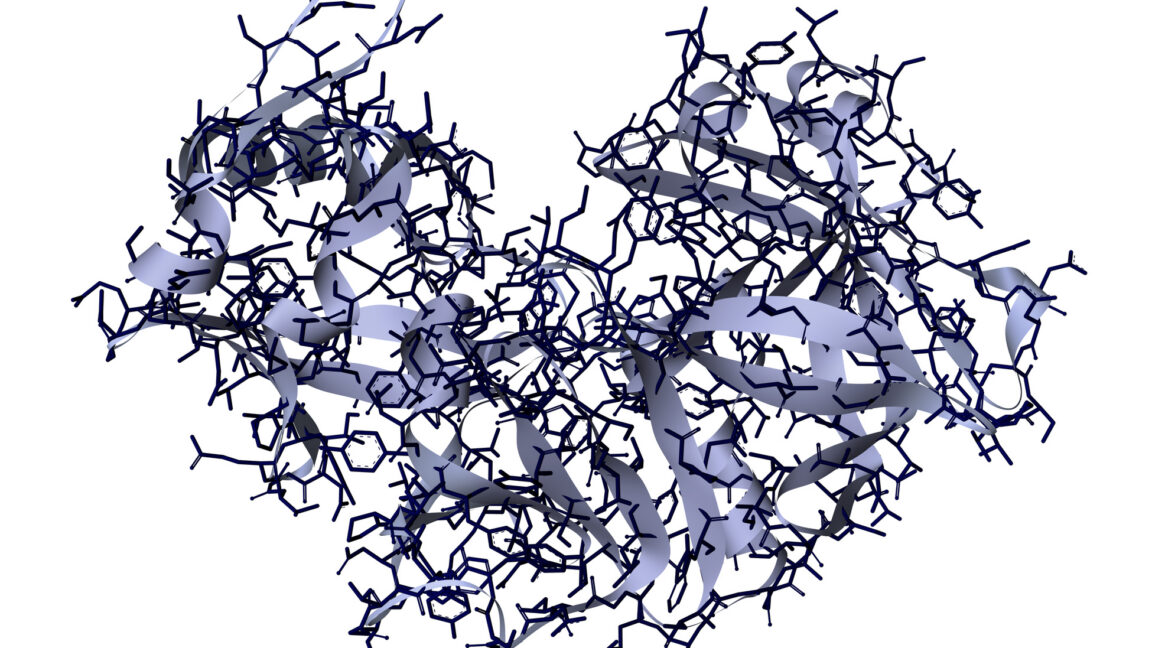
Scientists primarily from David Baker's laboratory at the University of Washington relied on generative AI software, including RFdiffusion2 and ProteinMPNN, to engineer custom proteases—enzymes that break down peptide bonds in proteins. Using AlphaFold3 to verify that their creations were entirely novel, the team built working enzymes based on zinc and cysteine protease mechanisms inspired by crayfish and yeast proteins.
For the cysteine proteases, researchers tested 12 backbones populated with 69 amino acid combinations, yielding 13 active designs for a 19 percent initial success rate. Subsequent fine-tuning increased the enzyme's cleavage rate by a factor of 10^9. For zinc-based proteases, initial attempts without water constraints achieved activity in only 14 of 89 designs. However, adding a fixed water molecule constraint boosted success to 35 out of 38 designs. Further random mutation optimization produced a v2 version that was 30 times more active than its base design, accelerating cleavage by a factor of 10^10.
To test practical applications, the team engineered zinc proteases to cut proteins associated with neurological conditions such as Alzheimer's and frontotemporal dementia. While the tools proved adept at controlling structural folding and target binding, researchers noted that current models cannot directly optimize for catalytic activity, requiring physical mutation rounds to boost performance. For drug developers, the study demonstrates that AI can generate functional catalytic enzymes from scratch, though therapeutic implementation still faces hurdles regarding cellular delivery and immune system reactions.
This is our own summary of reporting by Ars Technica AI